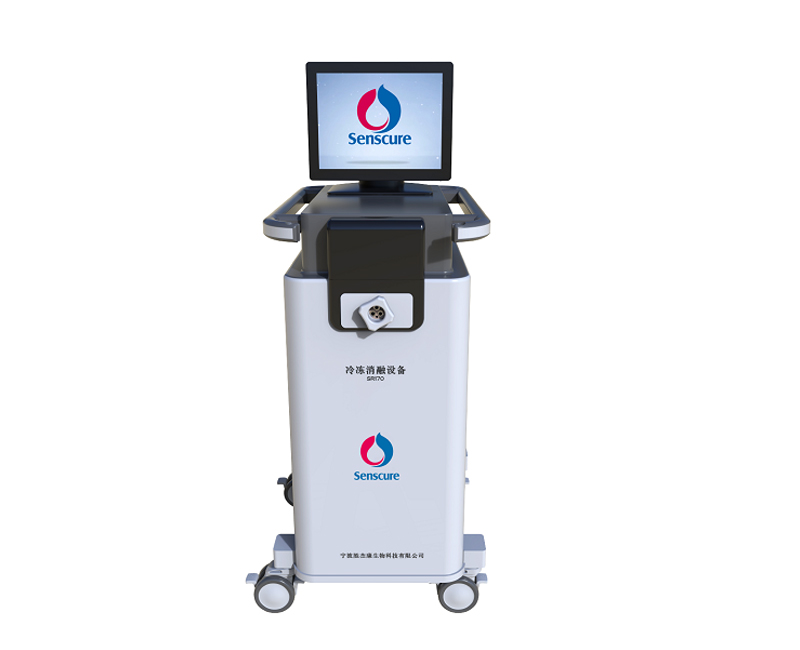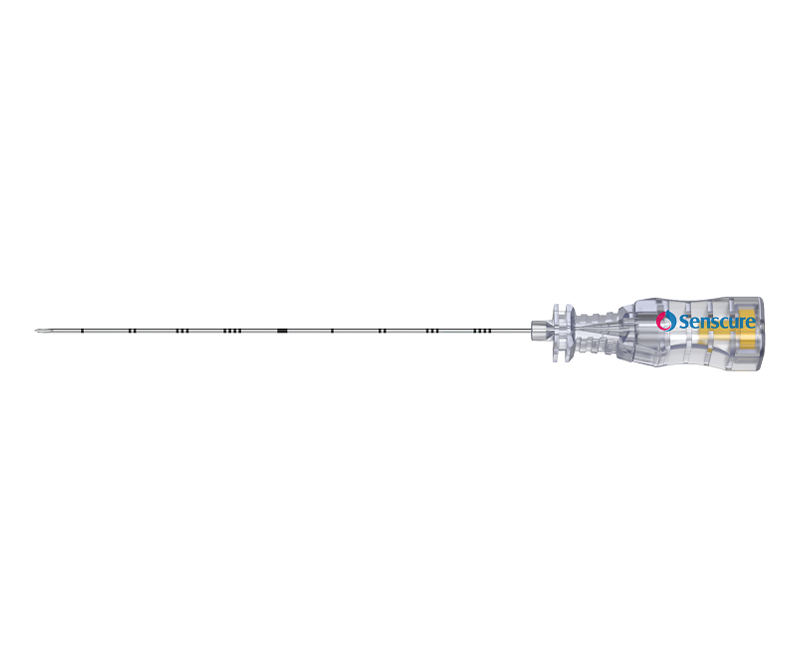

A clinical study shares the initial single-center experience of robot-assisted kidney transplantation (RAKT) performed for end-stage renal disease (ESRD) patients in China. RAKT represents a minimally-invasive alternative to conventional open kidney transplantation (OKT), which has long been regarded as the gold-standard treatment for kidney replacement therapy. Ten RAKT procedures were completed between March and November 2023, covering eight deceased-donor and two living-donor transplant cases. Living-donor kidneys were procured via robotic-assisted laparoscopic living-donor nephrectomy (RLDN).
The RAKT surgery adopted a modified Vattikuti-Medanta surgical workflow with the da Vinci Xi robotic platform. A 5-cm periumbilical incision was created for placement of a single-port access device manufactured by SensCure Biotechnology (Ningbo, China). Additional robotic trocars and assistant ports were positioned to complete intra-abdominal manipulation, iliac vessel dissection, graft implantation, vascular anastomosis and ureteroneocystostomy.
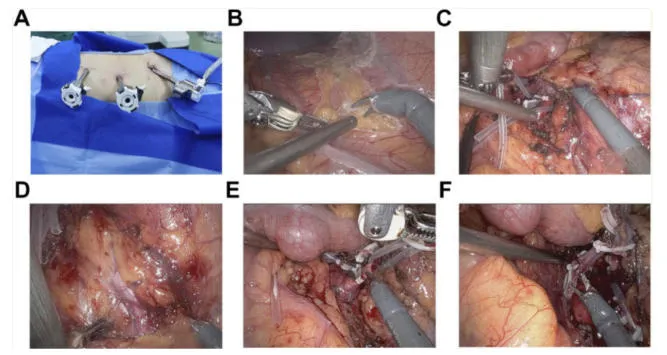
(A)Placement of ports for RLDN. (B) Medialization of the descending colon. (C) Dissection of the left renal vein and artery. (D) Dissection of the ureter. (E, F) Disconnection of the renal artery and vein. RLDN = robotic-assisted laparoscopic living-donor nephrectomy.
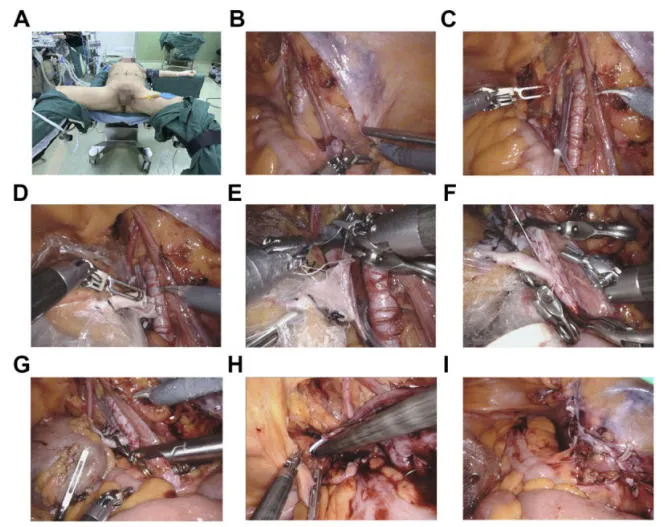
(A) Surgical position and placement of ports for RAKT. (B) Establishment of the kidney bed. (C) Dissection of the right external iliac vessels. (D) Introduction of the graft. (E, F) Venous and arterial anastomosis. (G) Removal of the kidney jacket and vessel clamps. (H) Ureteroneocystostomy. (I) Retroperitonealization. RAKT = robot-assisted kidney transplantation.
All ten RAKT operations were accomplished successfully without conversion to open surgery or intraoperative complications. The mean operative time was 297.90 ± 65.59 minutes, with a median estimated blood loss of 100 mL. Serum creatinine declined substantially from a preoperative average of 918.14 ± 166.63 μmol/L down to 109.89 ± 29.89 μmol/L upon hospital discharge. During follow-up, no delayed graft function, surgical adverse events or graft loss occurred for either deceased-donor or living-donor recipients.
In conclusion, RAKT is an effective alternative to OKT and is suitable for both deceased- and living-donor kidney transplantations. The postoperative outcomes were satisfactory, and the postoperative complications were acceptable. Robot-assisted kidney transplantation appears to be a safe and feasible procedure for transplantation teams skilled in OKT and robot-assisted surgery.
Source: Robot-assisted kidney transplantation: Initial experience from a tertiary hospital in China
【https://pmc.ncbi.nlm.nih.gov/articles/PMC12931936/】

 |
| 
 +86-574-63729798
 overseas@senscure.net
 Block B, Building 3, No.777 Binhai 4th Road, Hangzhou Bay New District, Ningbo 315336, Zhejiang Province, China