



Clinical Pain Points
Conventional transurethral resection (TURBT) combined with intravesical chemotherapy presents six major clinical shortcomings:
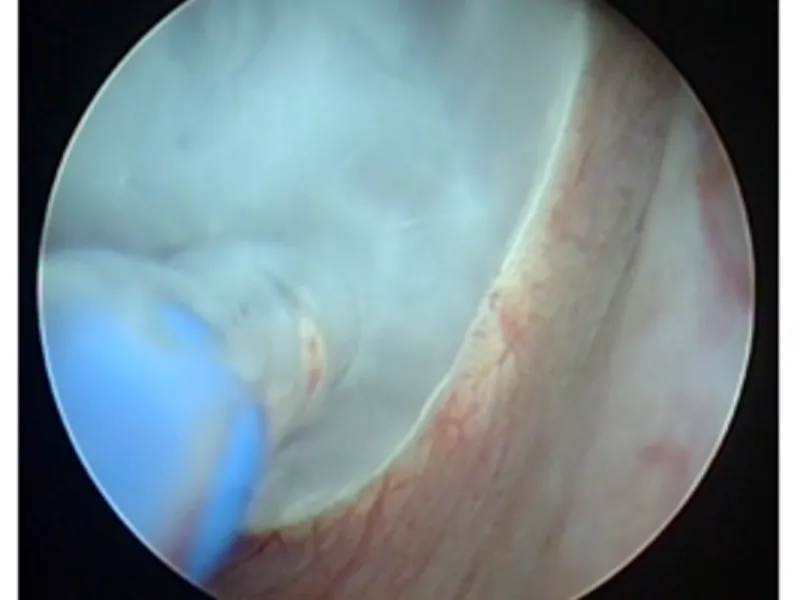
Intraoperative Safety Risks– Resection of lateral wall tumors may trigger obturator nerve reflex, causing instrument loss of control that can lead to bladder perforation and pelvic massive hemorrhage. The electrical current generated during resection may interfere with implantable devices, limiting the patient population eligible for this procedure.
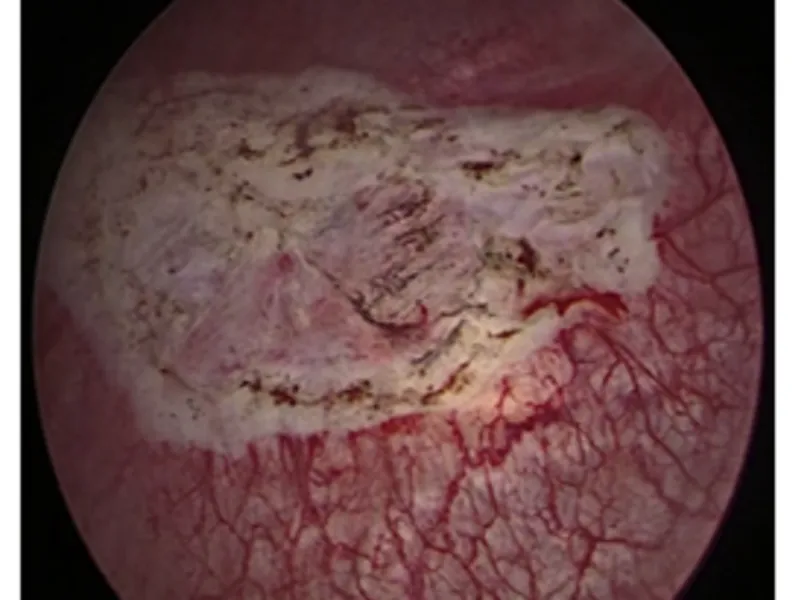
Significant Intraoperative Bleeding and Severe Postoperative Complications– Resection-induced vascular injury causes blurred visualization during the procedure. Postoperative eschar shedding from the resected area may lead to persistent gross hematuria and bladder clot retention, requiring secondary irrigation and prolonged catheter indwelling time.
High Risk of Tumor Seeding and Recurrence– Fragmentation of the tumor during piecemeal resection releases free cancer cells, facilitating intravesical seeding. Simple instillation of chemotherapeutic agents is inadequate to eliminate deep microscopic lesions, resulting in frequent short-term recurrence.
Intense Intraoperative Stimulation with Limited Applicability– Thermal cautery induces severe bladder spasm and lower abdominal pain, generally requiring general anesthesia. Elderly patients or those with underlying cardiopulmonary conditions face high anesthesia risks and may not tolerate the procedure.
Pronounced Side Effects from Intravesical Chemotherapy– Postoperative intravesical instillation of chemotherapeutic agents often causes severe frequency, dysuria, and chemical cystitis. Long-term repeated instillation damages normal bladder mucosa, leading to poor patient compliance.

 +86-574-63729798
 overseas@senscure.net
 Block B, Building 3, No.777 Binhai 4th Road, Hangzhou Bay New District, Ningbo 315336, Zhejiang Province, China