
Source: SensCure
Date: Apr. 21, 2021
Views: 3,985
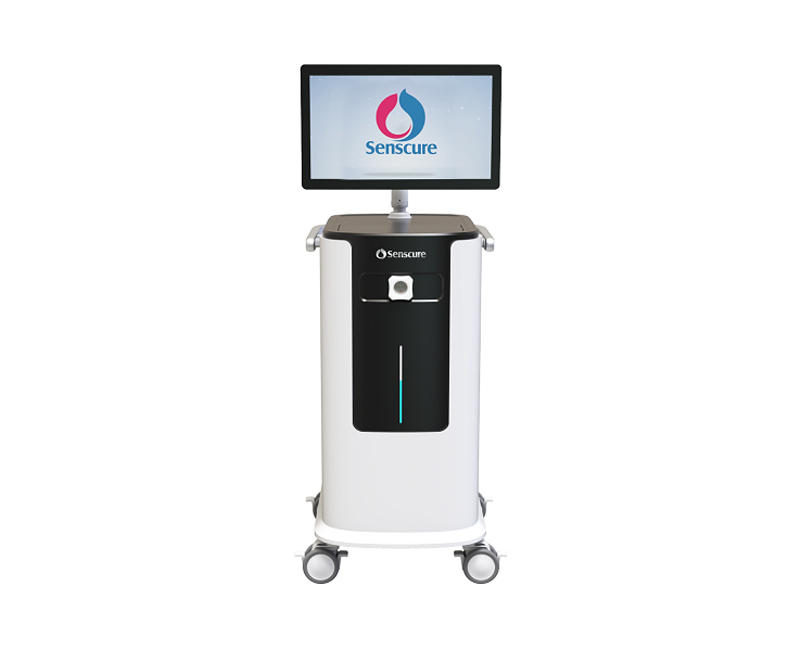
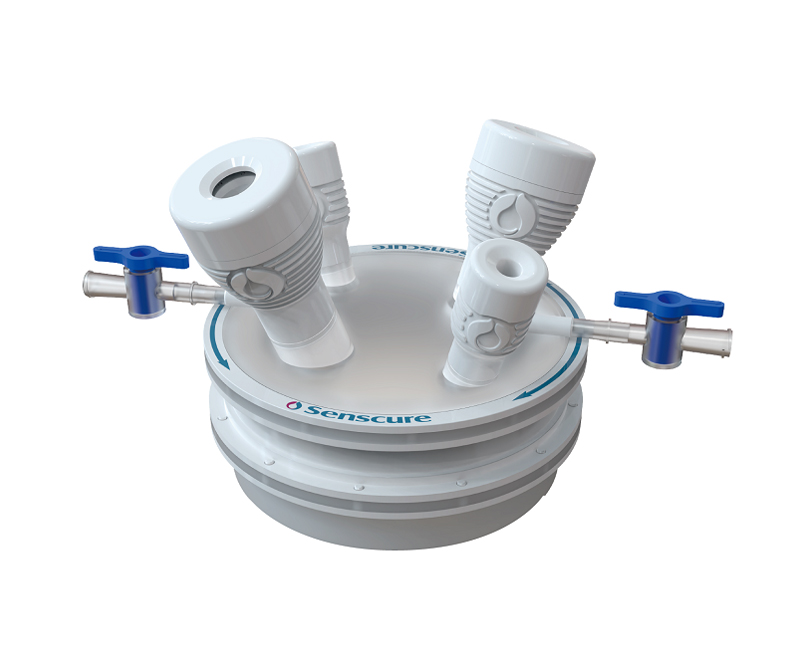
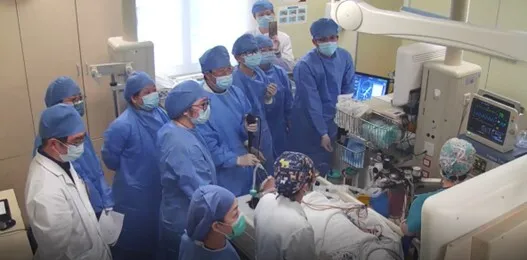
Recently, the team led by Professor Wang Changhui of the Department of Respiratory Medicine at Shanghai Tenth People's Hospital successfully performed the national first case of bronchoscopic spray cryoablation for chronic obstructive pulmonary disease (COPD), with favorable therapeutic outcomes. The spray cryoablation system used in the procedure was developed by SensCure Biotech (Ningbo) Co., Ltd.
Chronic obstructive pulmonary disease (COPD) is primarily characterized by persistent respiratory symptoms and airflow limitation resulting from abnormalities in the airways or alveoli. Driven by prevailing COPD risk factors and the aging global population, the prevalence and disease burden of COPD are projected to continue rising in the coming years. The principal pathological changes in chronic airway diseases include chronic inflammation of the epithelial cells, squamous metaplasia of ciliated columnar epithelial cells, and hyperplasia of goblet cells and submucosal smooth muscle. Current therapeutic modalities—encompassing smoking cessation, physical interventions, pulmonary rehabilitation, surgical procedures, and pharmacotherapy—remain limited in efficacy. In recent years, various advanced bronchoscopic interventional therapies have emerged, among which cryoablation stands out as a promising modality.
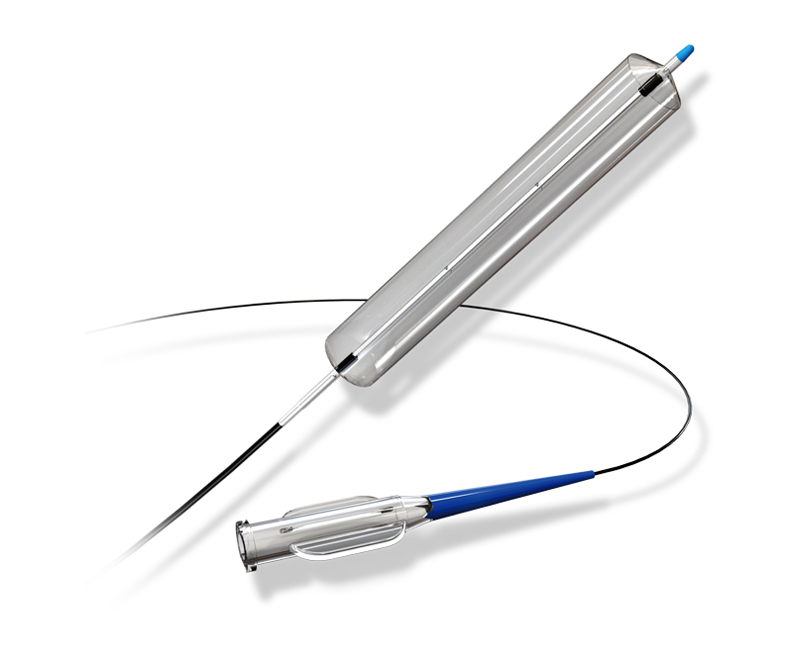
Preliminary animal studies have demonstrated that the spray cryoablation system delivers liquid nitrogen to the catheter's cryo-tip, inducing a precipitous drop in surface temperature that freezes target tissues and ablates pathological cells. Notably, cryoablation was observed to reduce hyperplasia of goblet cells in the airway epithelium induced by chronic bronchitis, while eliciting minimal scar tissue formation. The team concluded that cryotherapy may play a pivotal role in the interventional management of chronic airway diseases.
The patient receiving this novel therapy had been definitively diagnosed with COPD two years prior and had since relied on long-term high-dose Symbicort inhalation, yet experienced persistently poor control of productive cough and dyspnea. On admission, follow-up assessments revealed a marked decline in pulmonary function, consistent with moderate obstructive ventilatory dysfunction. On April 15, Professor Wang Changhui's team successfully performed the national first bronchoscopic mucosal cryoablation procedure utilizing spray cryoablation technology. The surgery was uneventful, with no postoperative adverse events reported. The patient was discharged smoothly the following day, exhibiting significant symptomatic improvement and expressing profound gratitude toward Professor Wang's team.

 |
| 
 +86-574-63729798
 overseas@senscure.net
 Block B, Building 3, No.777 Binhai 4th Road, Hangzhou Bay New District, Ningbo 315336, Zhejiang Province, China