
Source: SensCure
Date: Apr. 29, 2021
Views: 3,799
Relying on the century-old Renji Hospital's premium medical resources and profound cultural heritage, Renji South Campus adheres to the guiding principles of "Celebrity Physician Strategy, Specialized Departments, Quality Service, and Refined Management," with the mission of "making patients more satisfied and employees happier."Beneath the brilliant pearl that is Shanghai, Renji South Campus radiates its unique luster, among which the Department of Obstetrics and Gynecology shines as a luminous gem under this resplendent glow.
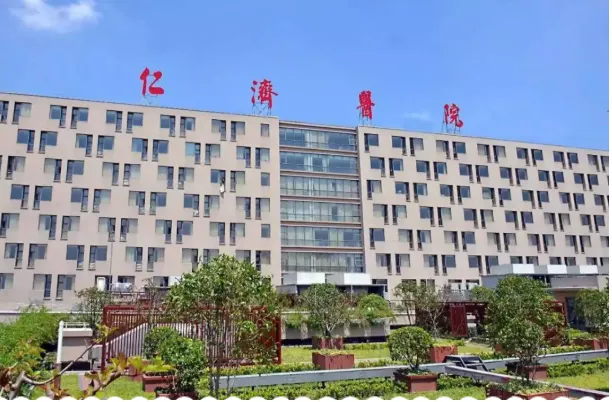
On April 26, 2019, a day of distinctive significance, the Single-Port Laparoscopy Training Course officially commenced at Renji South Campus in Shanghai. Gynecological experts from Wuhan, Nanjing, Xiaogan, Wuxi, Yancheng, and other cities converged at Renji South Campus. They gathered for this grand event, for Renji South Campus itself, and, most importantly, for the advancement of single-port laparoscopy techniques.
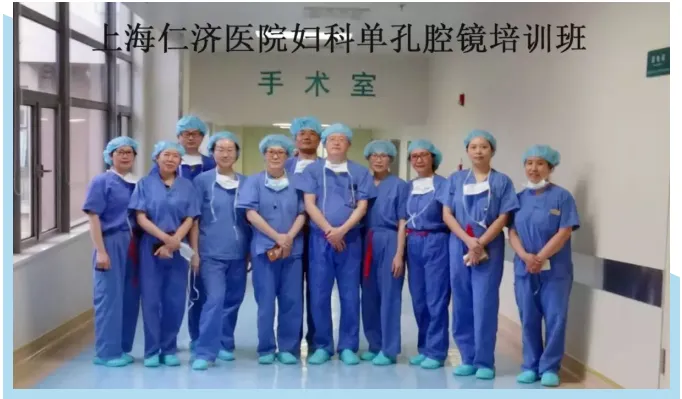
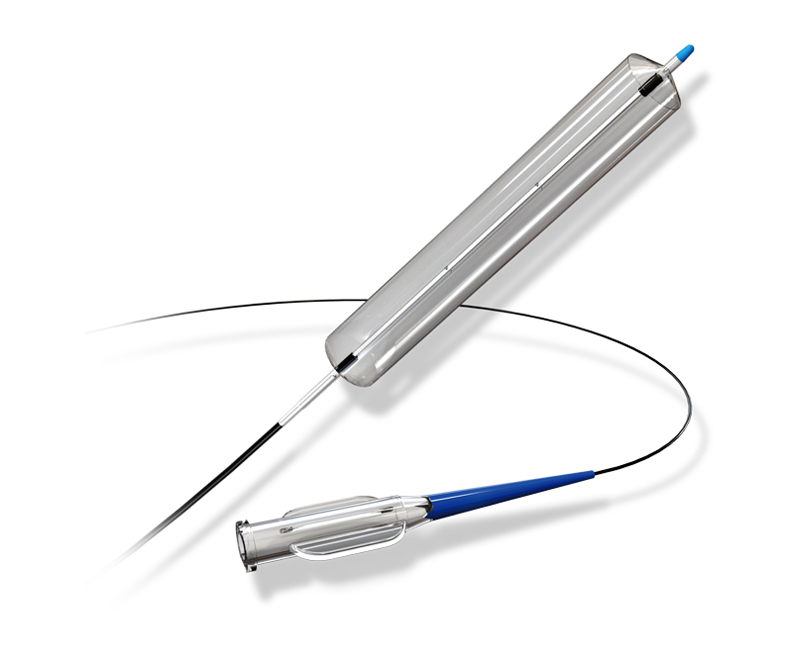
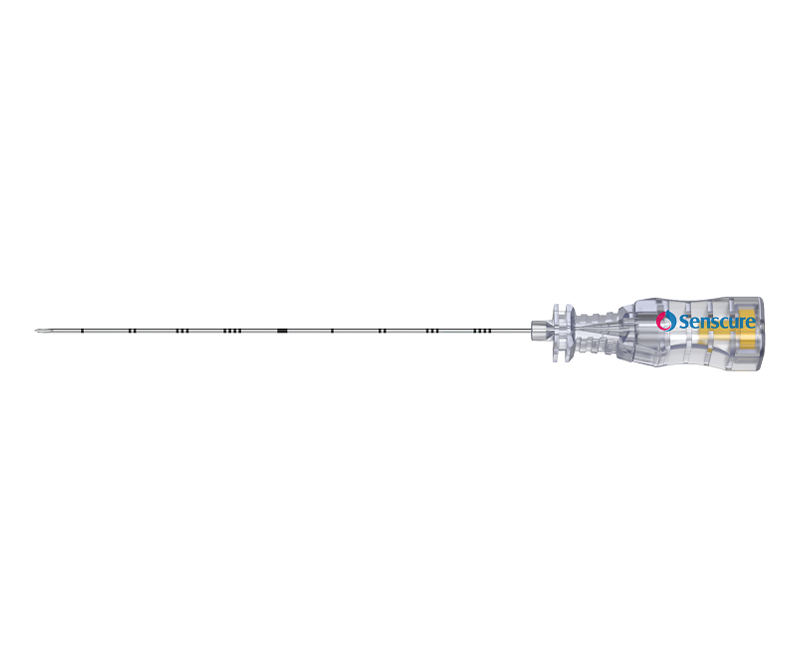
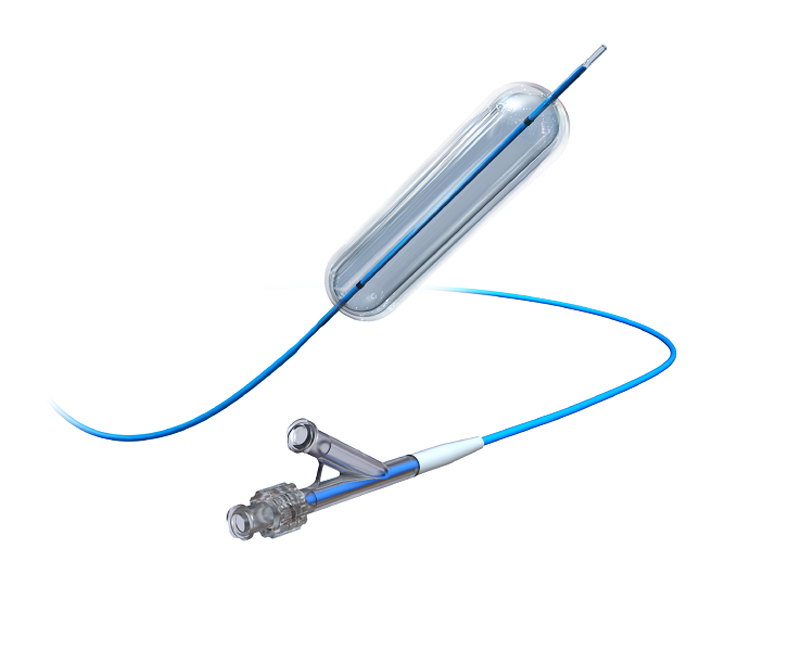
This training departed from the conventional video-based teaching format, adopting instead a more直观 approach of on-site surgical guidance. We were privileged to accompany the experts into the operating theater for live observation and learning. Directors Liu Wei and Ji Fang of the Department of Gynecology at Renji Hospital each demonstrated two single-port gynecological surgeries using the FreePort system. Director Liu Wei performed a highly complex single-port laparoscopic gynecological procedure; his fluid and masterful technique drew high praise from experts nationwide, who marveled that such a complicated operation could be executed with such smoothness and brilliance via single-port laparoscopy. Director Ji Fang’s single-port laparoscopic teratoma stripping surgery also concluded successfully. The patient gained both health and aesthetic preservation, while visiting peers acquired Renji Hospital’s advanced surgical philosophies and clinical experience.
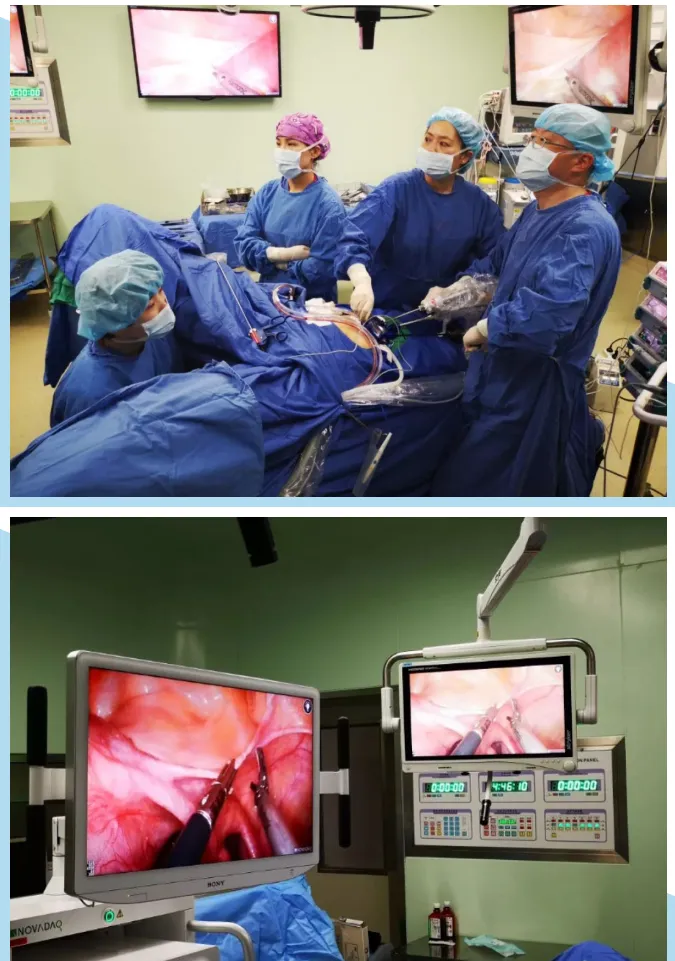
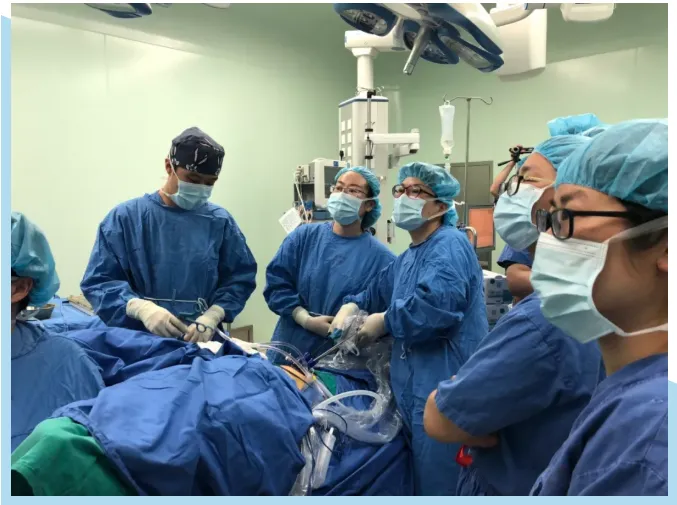
During the procedures, while Directors Liu and Ji performed the surgeries in the operating theater, they engaged with peers from hospitals across the country, elaborating on the clinical significance of single-port laparoscopy in gynecology; highlighting key technical steps and challenges; detailing critical precautions before, during, and after surgery; and offering practical guidance on initiating single-port laparoscopic gynecological programs. The participants found the session immensely rewarding and eye-opening.
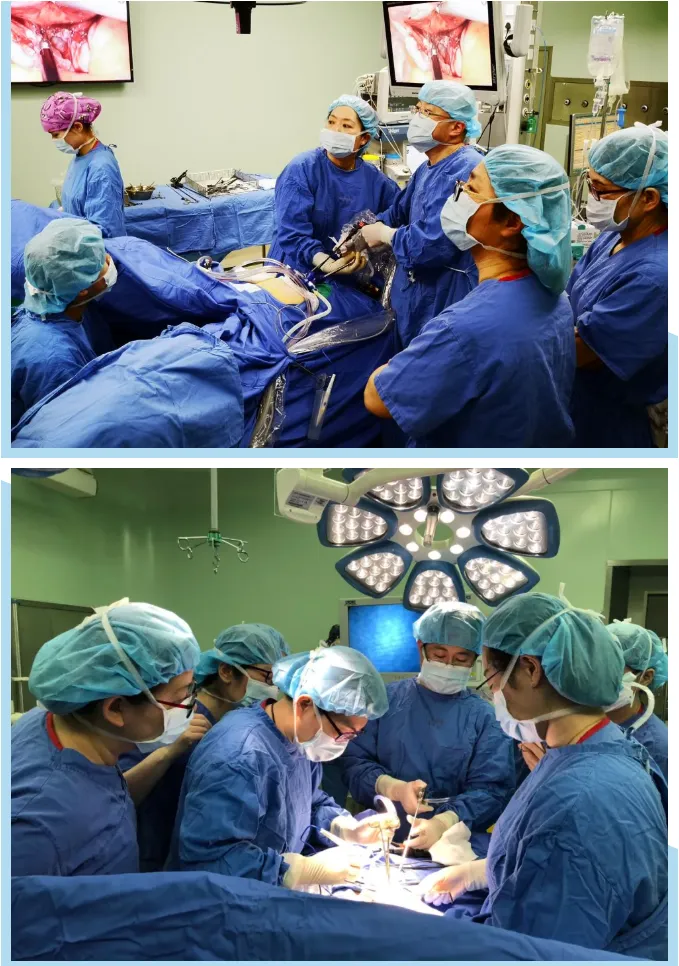
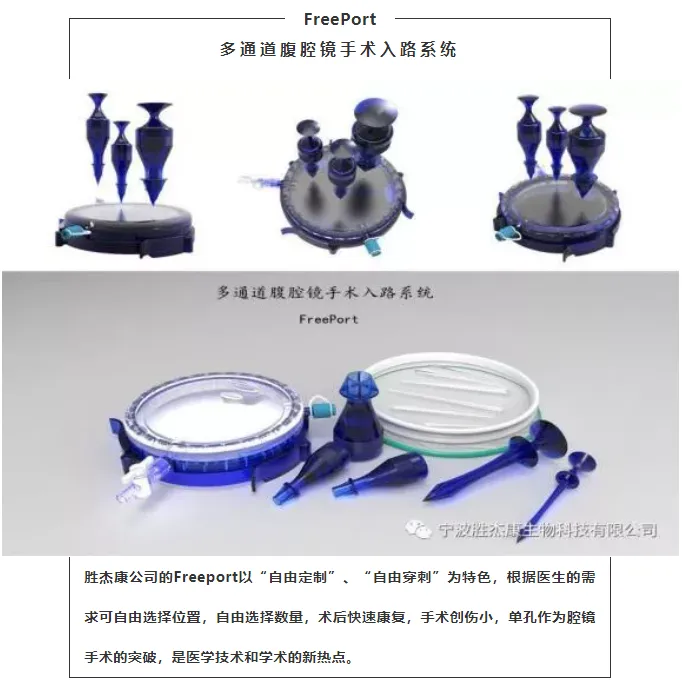
During the procedures, the directors also provided a detailed introduction to the application methods and advantages of the Multi-channel Laparoscopic Access System. Their surgical expertise brought healing to patients, while their selfless dedication to sharing knowledge earned high praise from their peers!

 |
| 
 +86-574-63729798
 overseas@senscure.net
 Block B, Building 3, No.777 Binhai 4th Road, Hangzhou Bay New District, Ningbo 315336, Zhejiang Province, China