
Source: SensCure
Date: May 20, 2021
Views: 5,756
Recently, the live broadcast room for interventional respiratory endoscopy at Shanghai East Hospital resumed broadcasting. The live stream featured three procedures personally performed by Professor Li Qiang. The first case was a postoperative review following silicone stent implantation; the second was ablation of a mass in the right main bronchus combined with stent implantation; the third was pulmonary vagal nerve cryoablation (cryo-balloon targeted lung denervation technique, CB-TLD) for the treatment of severe asthma. The live broadcast attracted over 130,000 viewers and sparked enthusiastic discussion among the audience, who expressed that they had greatly benefited from the session.
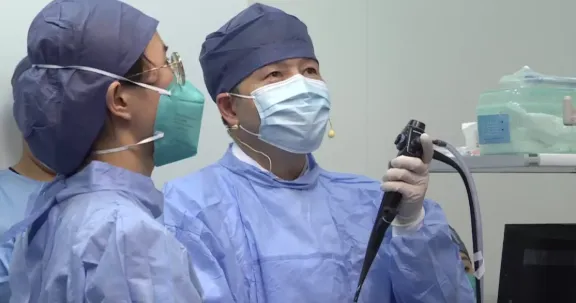
The CB-TLD procedure was completed under direct endoscopic visualization, lasting only approximately 15 minutes. Professor Li Qiang remarked, "This patient is the third enrolled subject. The two prior patients experienced no significant discomfort or complications postoperatively, and follow-up results demonstrated improvements in pulmonary function and quality of life to varying degrees." Preliminary findings suggest that the CB-TLD procedure exhibits favorable safety and efficacy profiles.
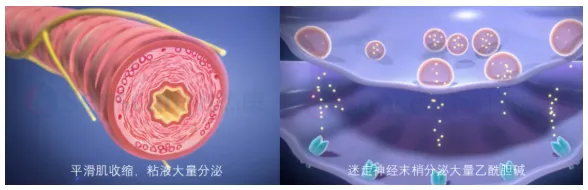
Asthma is a clinically common chronic inflammatory disease of the airways, primarily characterized by recurrent wheezing and shortness of breath, accompanied by airway hyperresponsiveness and widely variable, reversible airflow limitation. Most patients experience spontaneous remission or achieve symptom relief following treatment. Although the overall level of asthma control in China has improved substantially with enhancements in living conditions and growing public health awareness, a significant proportion of patients still fail to achieve adequate symptom control despite receiving standardized inhaled therapy. These patients face markedly increased frequencies of hospitalization and emergency department visits, incur substantial medical costs, suffer severely compromised quality of life, and impose a heavy socioeconomic burden.

Elevated vagal tone is a key mechanism underlying airflow limitation and mucus hypersecretion in chronic airway diseases such as asthma. Targeted Lung Denervation (TLD) is an interventional approach that disrupts pulmonary vagal nerves to reduce acetylcholine release, thereby alleviating the heightened vagal tone and its associated sequelae—airflow limitation and mucus hypersecretion—in disease states. Currently, radiofrequency ablation is employed to disrupt the vagal innervation to the lungs; multiple clinical trials have confirmed its favorable efficacy. However, this technique is associated with drawbacks including prolonged procedural duration and operational complexity.
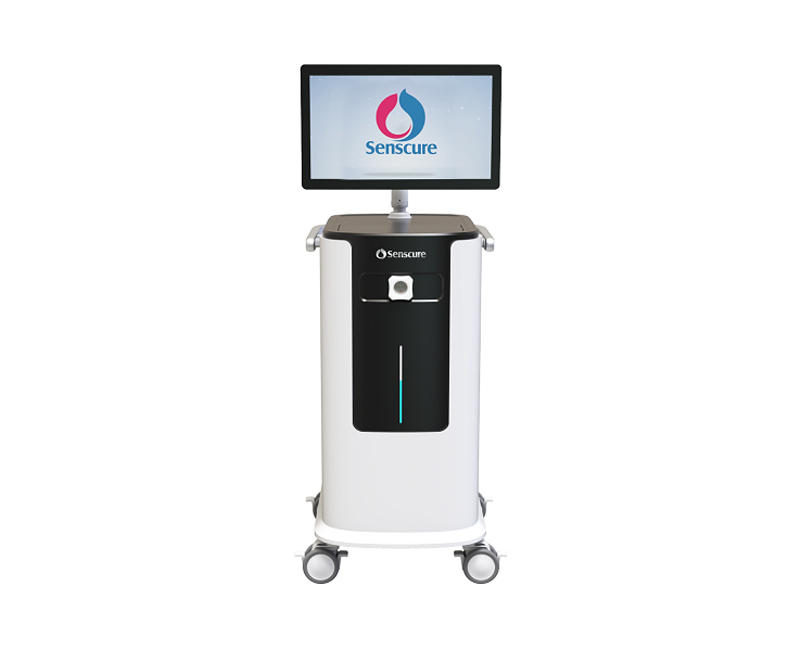
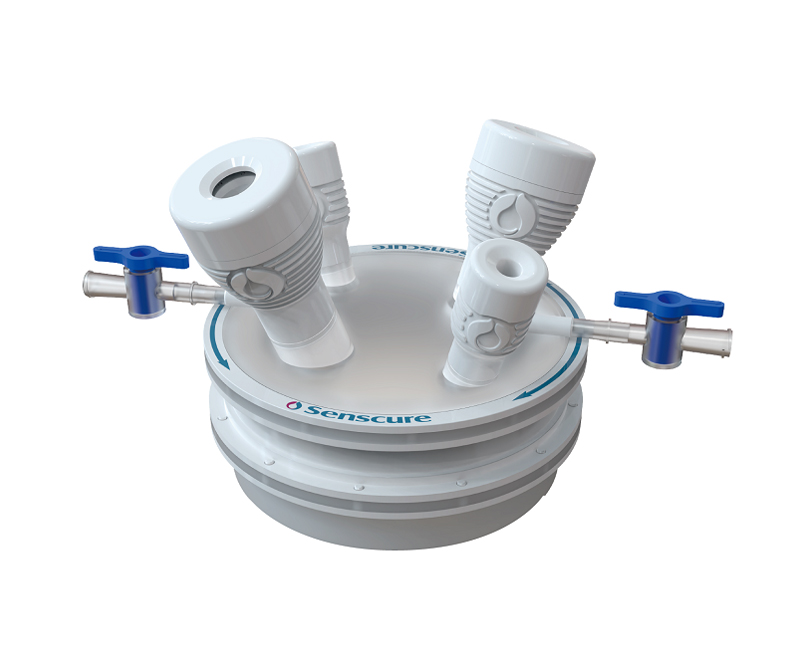
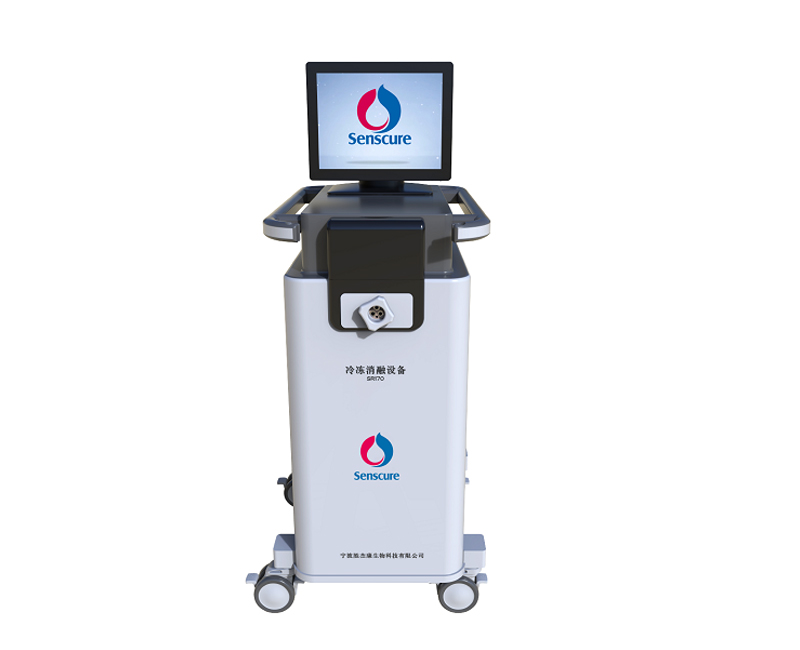
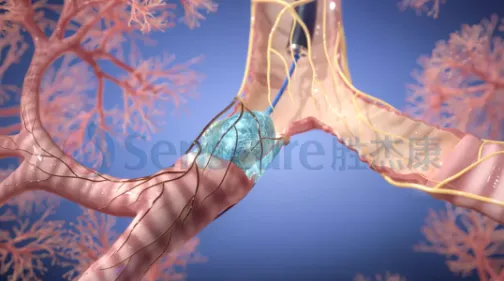
The cryo-balloon therapy system developed and manufactured by SensCure Biotech (Ningbo) Co., Ltd. employs liquid nitrogen as the refrigerant. Under bronchoscopic guidance, the cryo-balloon is precisely positioned at the target site within the airway via the instrument channel to achieve nerve ablation. Cryotherapy utilizes ultra-low temperatures to ablate local tissues. Compared with radiofrequency TLD, balloon cryoablation offers distinct advantages: it accomplishes circumferential ablation in a single application, resulting in shorter procedure times and greater operational convenience; it causes less damage to cartilage and surrounding tissues, suppresses scar and granulation tissue formation, and is associated with fewer postoperative complications.

 |
| 
 +86-574-63729798
 overseas@senscure.net
 Block B, Building 3, No.777 Binhai 4th Road, Hangzhou Bay New District, Ningbo 315336, Zhejiang Province, China