
Source: SensCure
Date: Mar. 1, 2022
Views: 5,095
Since the beginning of this year, Shanghai East Hospital, affiliated with Tongji University, has successfully performed multiple cases of bronchoscopic cryoablation denervation (BCD). The procedures were completed by Professor Li Qiang—Chairman of the Interventional Respiratory Medicine Committee under the Respiratory Physicians Branch of the Chinese Medical Doctor Association and Chairman of the Respiratory Medicine Branch of the Shanghai Medical Association—and his team. Conducted under direct endoscopic visualization, each procedure lasted only 15 minutes. Postoperatively, patients demonstrated significant improvement in asthma control and enhanced quality of life. Bronchoscopic cryoablation denervation (BCD) is poised to become a novel surgical modality for the treatment of severe asthma.
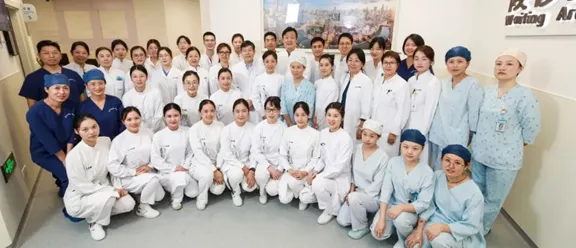
(Professor Li Qiang and His Team)
Asthma is a chronic inflammatory airway disease characterized by recurrent episodes. Approximately 300 million people worldwide are affected by asthma. Despite the use of high-dose inhaled glucocorticoids and long-acting β2-agonists, a subset of patients still fail to achieve adequate asthma control. Moreover, prolonged high-dose corticosteroid use leads to significant adverse effects, reduces life expectancy, and imposes a substantial socioeconomic burden. Consequently, there is an urgent, unmet clinical need to develop novel therapeutic strategies that can effectively improve the management of refractory asthma.
Research indicates that hyperactivity of the pulmonary vagal nerve results in the release of substantial amounts of the neurotransmitter acetylcholine (ACH). This induces bronchial smooth muscle contraction, increases submucosal gland secretion, and promotes bronchial vasodilation. Patients with severe asthma often exhibit elevated vagal tone and heightened airway reactivity; even minor stimuli can trigger vagal excitation, leading to massive ACH release and the recruitment of inflammatory cells into the airways. Concurrently, ACH release potentiates smooth muscle contraction and submucosal gland secretion, thereby exacerbating symptoms in asthmatic patients.
Bronchoscopic cryoablation denervation (BCD) aims to treat asthma by targeting deep tissue with cryoablation to disrupt the vagal nerve fibers running along the bronchial outer wall. This interrupts vagal signaling to the lungs and reduces ACH release, thereby decreasing bronchial smooth muscle tone and airway mucus production. Consequently, this alleviates airway obstruction throughout the lungs, achieving a therapeutic effect.
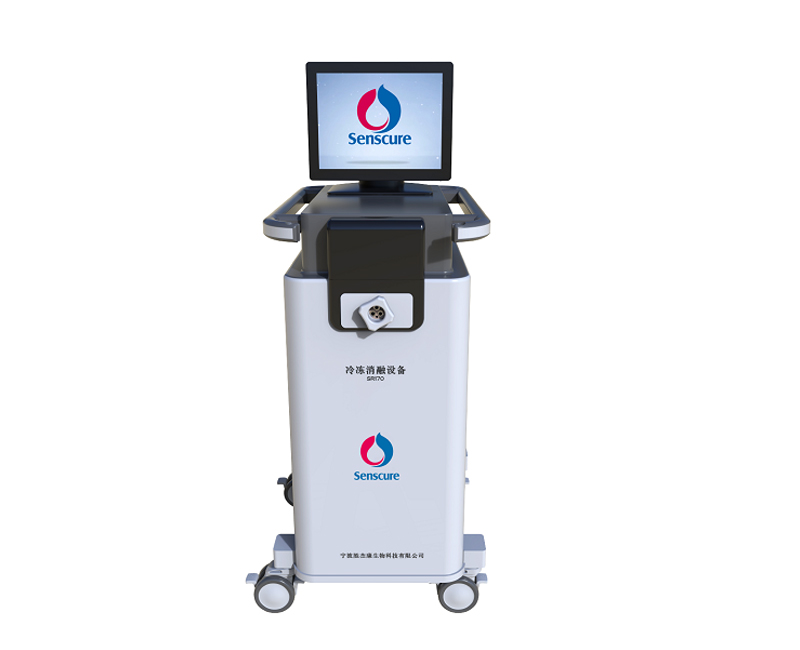
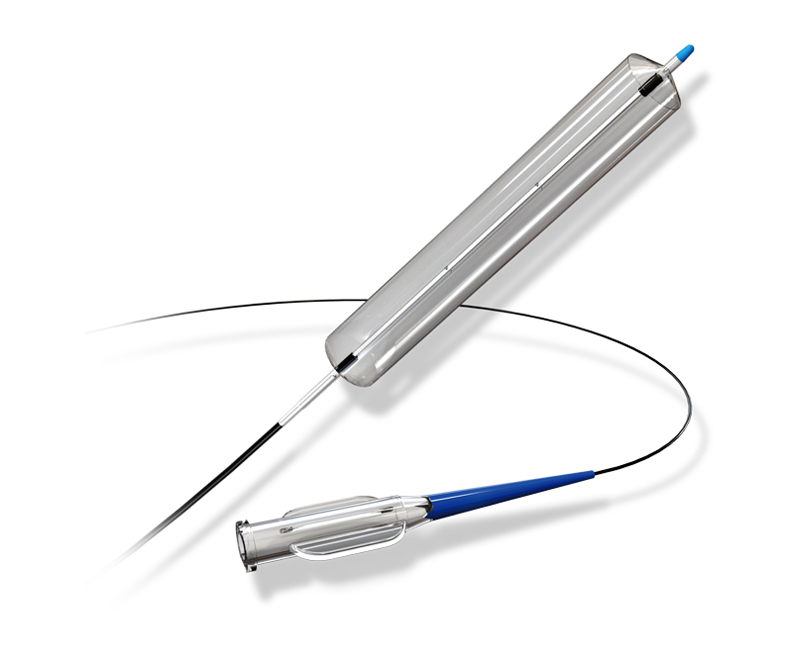
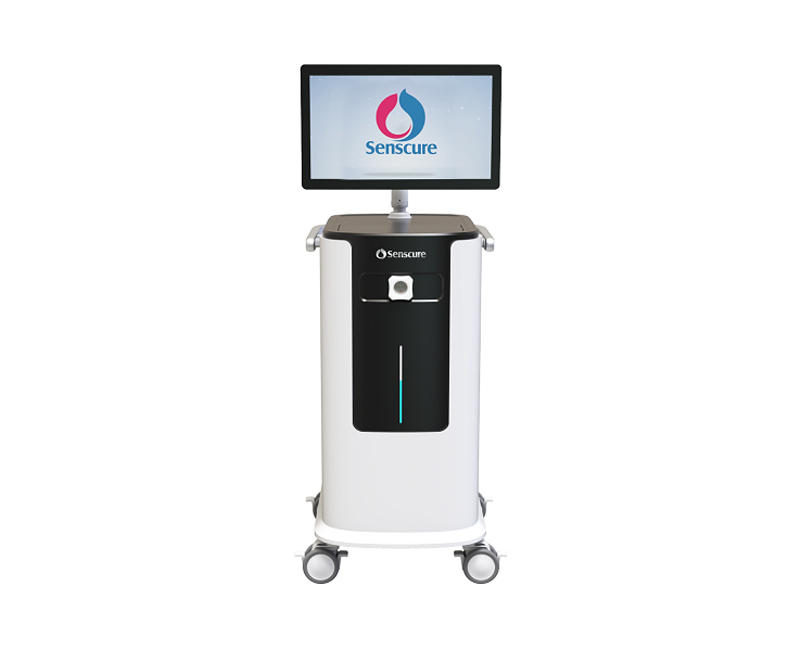
Airway Cryoablation System
The airway cryoablation system, designed and manufactured by SensCure Biotech (Ningbo) Co., Ltd., utilizes liquid nitrogen (−196°C) as the cryogen. The catheter’s cryo-balloon achieves ultra-low operating temperatures, ensuring high cryoablation efficiency. Under bronchoscopic guidance, the cryo-balloon is precisely delivered to the targeted bronchus. The specialized balloon architecture facilitates the ablation of pulmonary vagal nerve fibers.
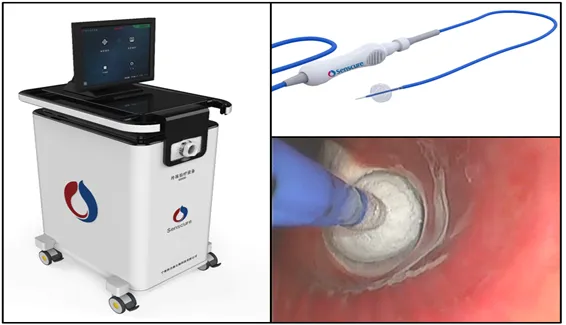
(Airway Cryoablation System)
Cryotherapy involves the cryoablation of local tissues; when the temperature rapidly drops below −40°C, it directly induces cellular injury. Compared with other ablation modalities, cryotherapy reduces adhesion between the treatment site and surrounding tissues, minimizes damage to adjacent major vessels and vital organs, lowers the risks of perforation and stenosis, and facilitates tissue repair.
Many asthma patients fail to achieve effective symptom control despite receiving conventional therapy, severely compromising their daily life, work, and education. Furthermore, recurrent acute exacerbations, frequent emergency department visits, and hospitalizations impose a substantial economic burden on patients. Following bronchoscopic cryoablation denervation, patients are typically discharged approximately three days postoperatively without experiencing serious adverse events. Long-term follow-up data demonstrate significant postoperative improvements in asthma control and marked enhancements in patients' quality of life.
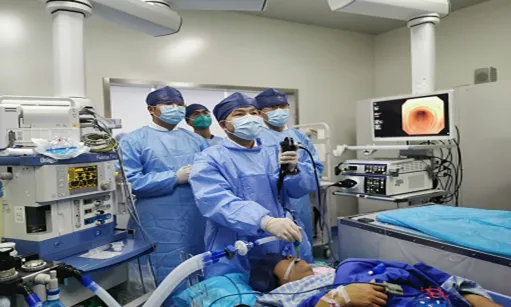
(Live Bronchoscopic Cryoablation Denervation Procedure)

 |
| 
 +86-574-63729798
 overseas@senscure.net
 Block B, Building 3, No.777 Binhai 4th Road, Hangzhou Bay New District, Ningbo 315336, Zhejiang Province, China