
Source: SensCure
Date: Apr. 11, 2021
Views: 3,914
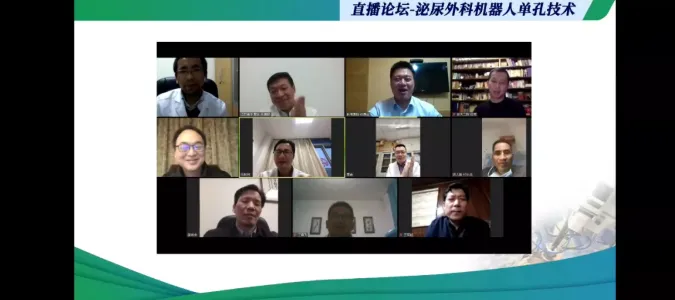
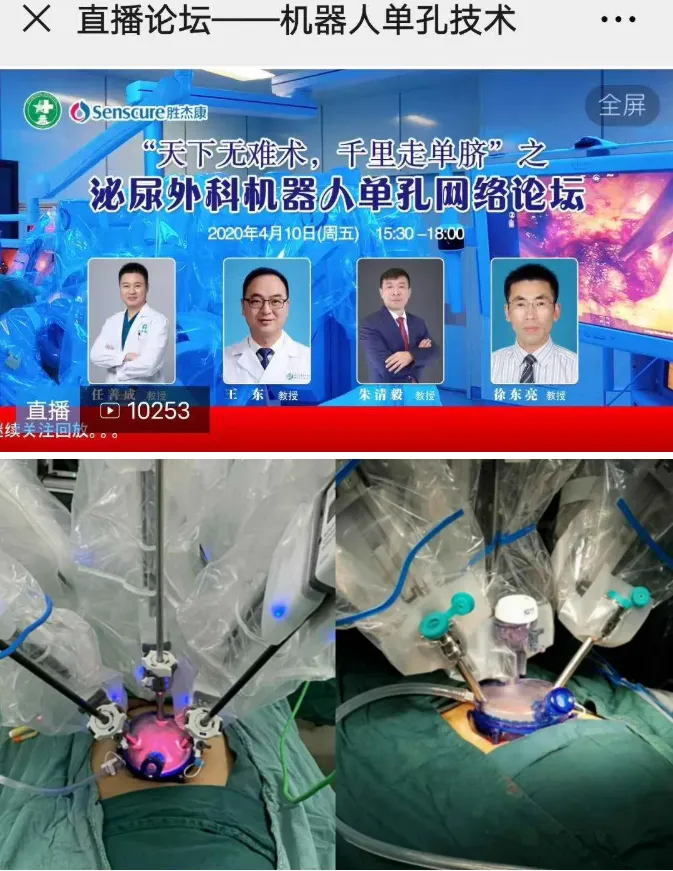
On April 10, 2020, the inaugural live-streamed symposium on single-port robotic technology commenced as scheduled. Chaired jointly by Professor Ren Shancheng of Shanghai Changhai Hospital, Professor Wang Dong of Sichuan Provincial People's Hospital, Professor Zhu Qingyi of Jiangsu Provincial Hospital of Traditional Chinese Medicine, and Professor Xu Dongliang of Shanghai Changzheng Hospital, the conference aimed to facilitate the exchange of single-port robotic techniques and strengthen academic discourse within the urology community.
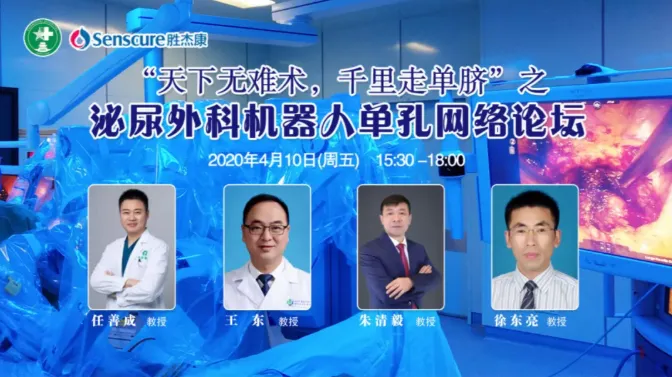
The conference featured a focused agenda. We were honored to invite Director Wang Junqi of The Affiliated Hospital of Xuzhou Medical University, Director Ma Limin of The Affiliated Hospital of Nantong University, Director Wang Delin of The First Affiliated Hospital of Chongqing Medical University, Director Ding Xuefei of Subei People;s Hospital of Jiangsu Province, Director Li Xiang of West China Hospital of Sichuan University, Director Qi Xiaolong of Zhejiang Provincial People;s Hospital, Director Li Gonghui of Sir Run Run Shaw Hospital, Zhejiang University School of Medicine, and Director Jing Xiao of The Second Affiliated Hospital of Zhejiang University School of Medicine to serve as invited panelists for this live-streamed symposium.
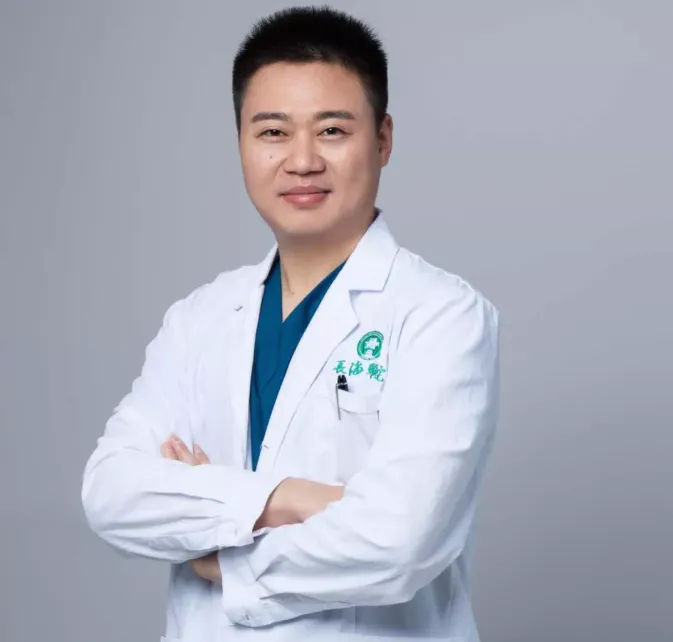
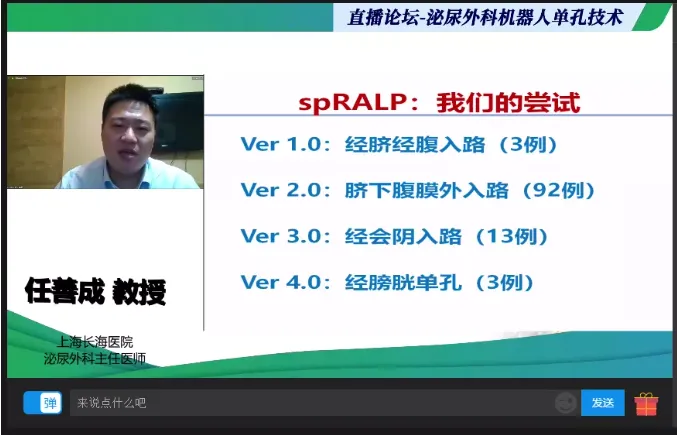
At the opening of the conference, Professor Ren Shancheng of the Department of Urology at Shanghai Changhai Hospital shared his experience since performing Asia's first single-port robotic radical prostatectomy in July 2018. He has since completed a diverse array of procedures—including extraperitoneal, transperineal, and transvesical single-port approaches—with a cumulative total exceeding 100 cases. This body of work has garnered international recognition, with related papers published in journals such as the Asian Journal of Urology and Urologia Internationalis. Professor Ren provided a detailed exposition of the specific surgical steps and key technical points for each approach. He particularly emphasized that every technique possesses distinct advantages and corresponding patient profiles; urologists should master multiple approaches and select the most suitable option based on individual patient characteristics, preferences, and disease staging to achieve precision surgery. Professor Ren's masterful surgical demonstrations and lucid commentary earned high praise and recognition from the online panel of experts.
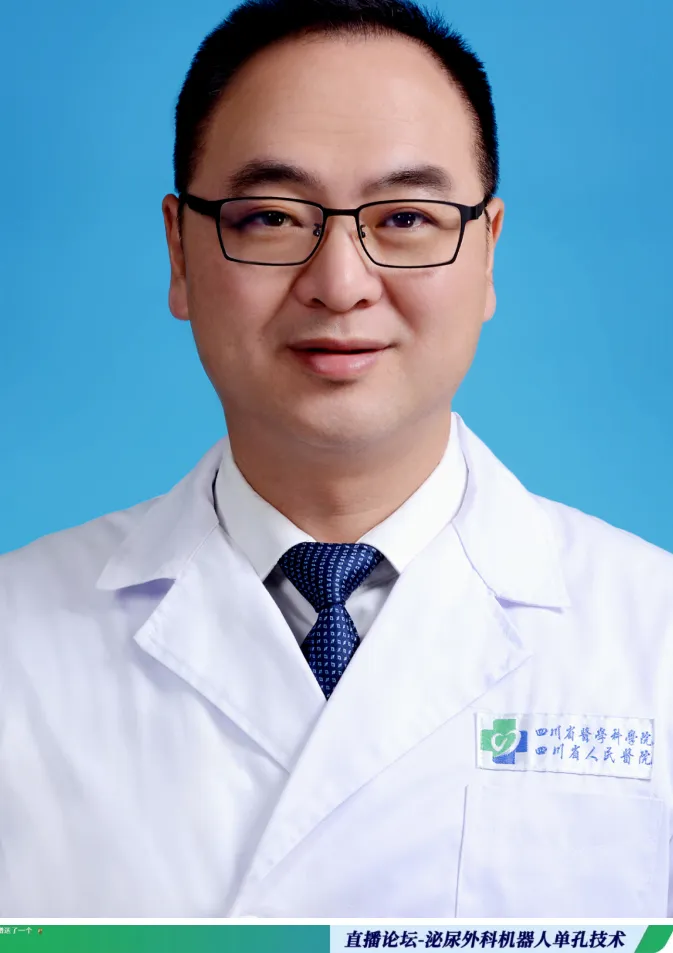
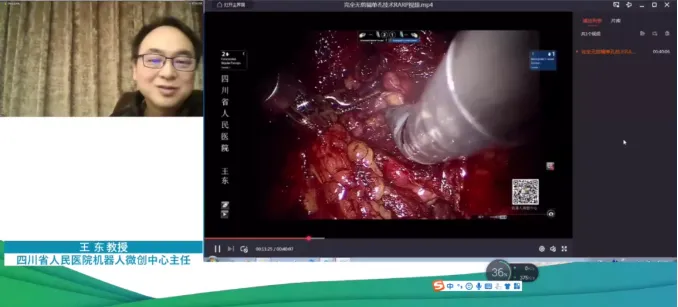
Director Wang Dong of the Robotic Minimally Invasive Center at Sichuan Provincial People's Hospital presented a complete, unedited 39-minute video of a single-port robotic radical prostatectomy as a case study. He provided a detailed, step-by-step walkthrough of the surgical procedure and shared his extensive clinical experience. Director Wang meticulously dissected every stage of the single-port robotic radical prostatectomy, addressing all queries from interested experts in attendance. His presentation illuminated precisely how the synergy between "Robotics + Single-Port" achieves a remarkable "resonance of advantages," delivering an exceptional surgical performance.
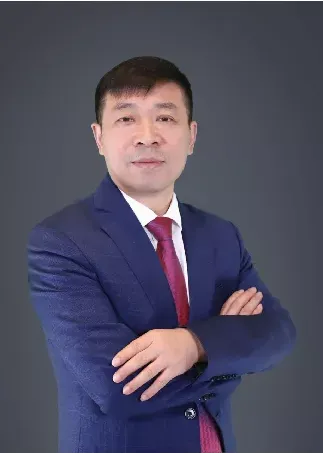
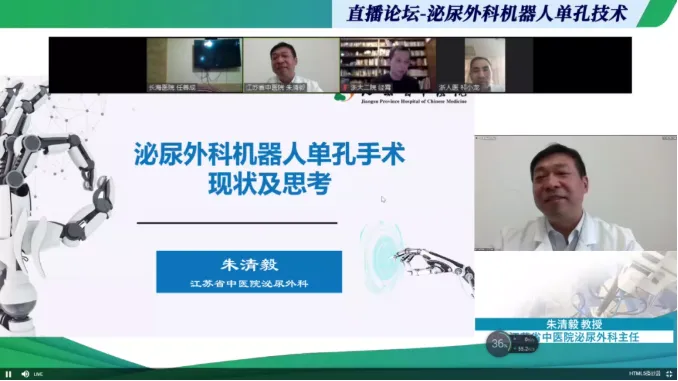
According to Professor Zhu, general surgery represents the most extensive application of Robotic Single-Port (RSP) surgery, with cholecystectomy being the most prevalent procedure. Robotic single-port laparoscopy is also widely adopted in gynecology for both benign and malignant conditions, including myomectomy, total hysterectomy for uterine pathologies, and endometrial carcinoma. Professor Zhu emphasized that single-port laparoscopic surgery is a feasible "No Scar" technique with high patient acceptability. He further elaborated on the technical evolution of single-port laparoscopy, the developmental trajectory of the R-Less (Robotic Less Incision Endosurgical System) platform in urology, and ongoing explorations into the clinical application of robotic single-port surgery.
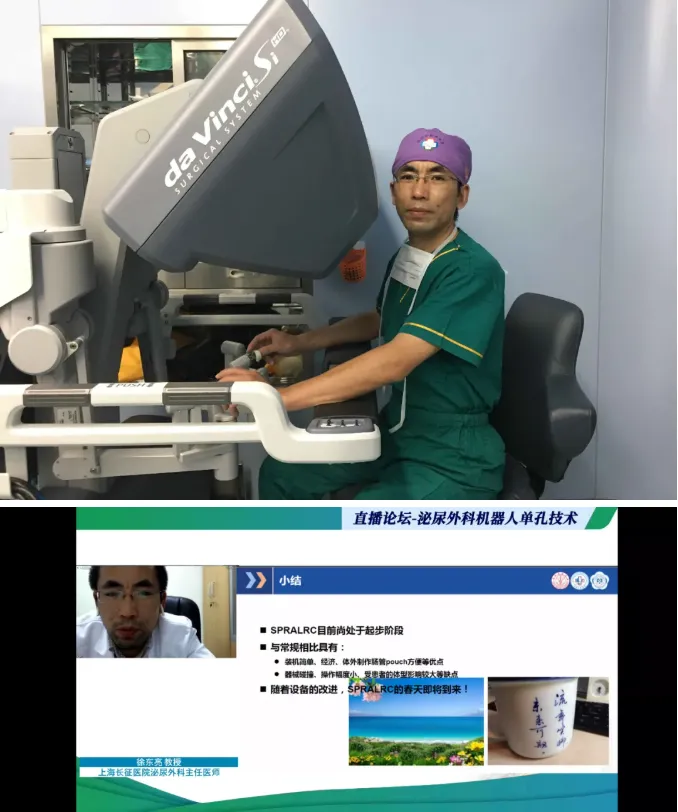
Professor Xu Dongliang of Shanghai Changzheng Hospital elaborated on the history and advancements of robotic single-port laparoscopic radical cystectomy. Drawing on his own surgical photographs and video recordings, he showcased his innovative techniques. He emphasized that innovation in urological robotic surgery—particularly in incision selection, surgical approach, and the exploration of combining single-port with natural orifice transluminal endoscopic surgery (NOTES)—is essential to demonstrating the full value of the technology. Professor Xu further highlighted the distinct advantages of robotic systems in preserving nerves and blood vessels, achieving precise resection of pathological lesions, and maintaining optimal organ function.
In light of the overwhelming response and evident demand, Professor Ren Shancheng proposed—and all participating experts unanimously endorsed—the launch of a weekly Friday online symposium, scheduled from 15:30 to 17:30. Each session will feature a distinguished domestic expert providing a step-by-step walkthrough of a surgical video (approximately 30 minutes), followed by live commentary and discussion from three to four invited experts. This initiative aims to collectively elevate the standards of robotic surgery and ultimately benefit patients nationwide. We look forward to your continued engagement!

 |
| 
 +86-574-63729798
 overseas@senscure.net
 Block B, Building 3, No.777 Binhai 4th Road, Hangzhou Bay New District, Ningbo 315336, Zhejiang Province, China