
Source: SensCure
Date: Apr. 30, 2020
Views: 3,514
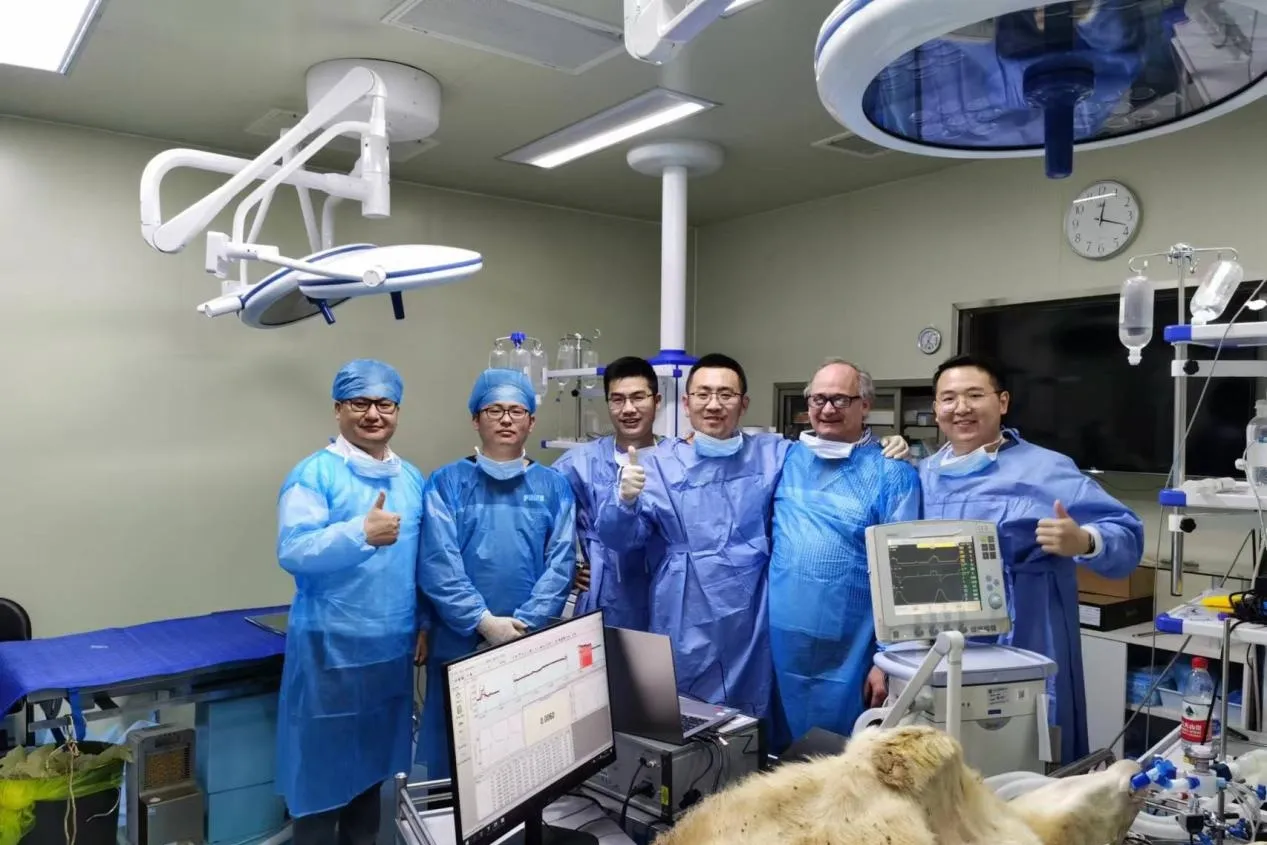
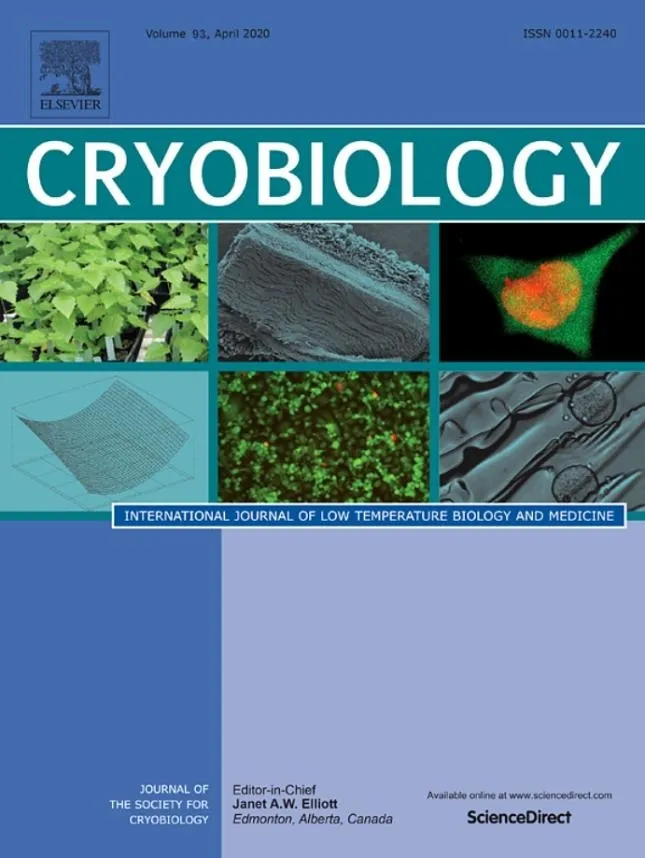
Recently, the animal trial literature on the world-first "Bronchoscopic Cryoablation Denervation (BCD)" for asthma treatment—conducted by the team of Professor Li Qiang at Shanghai East Hospital—was successfully published in the journal Cryobiology. The paper is titled: "Feasibility, effectiveness, and safety of a novel cryo-balloon targeted lung denervation technique in an animal model".
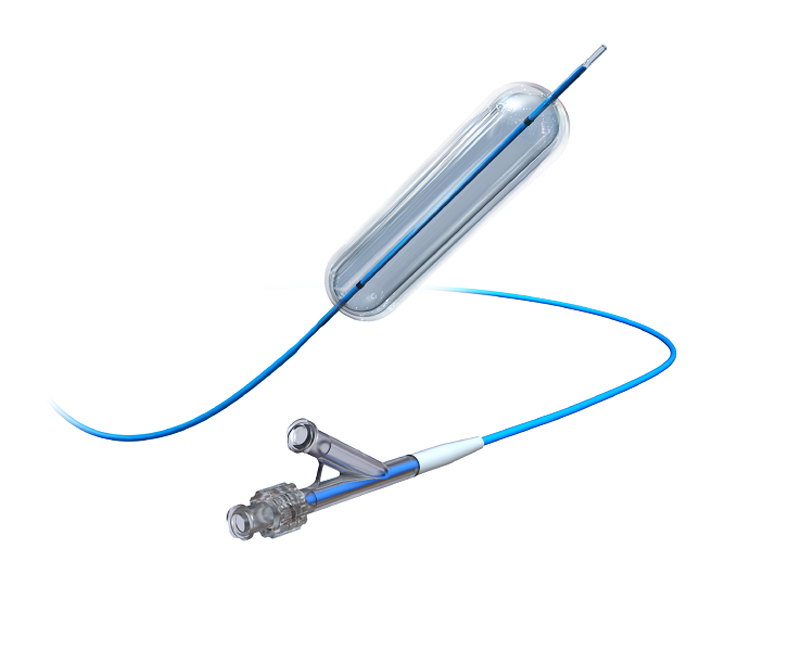
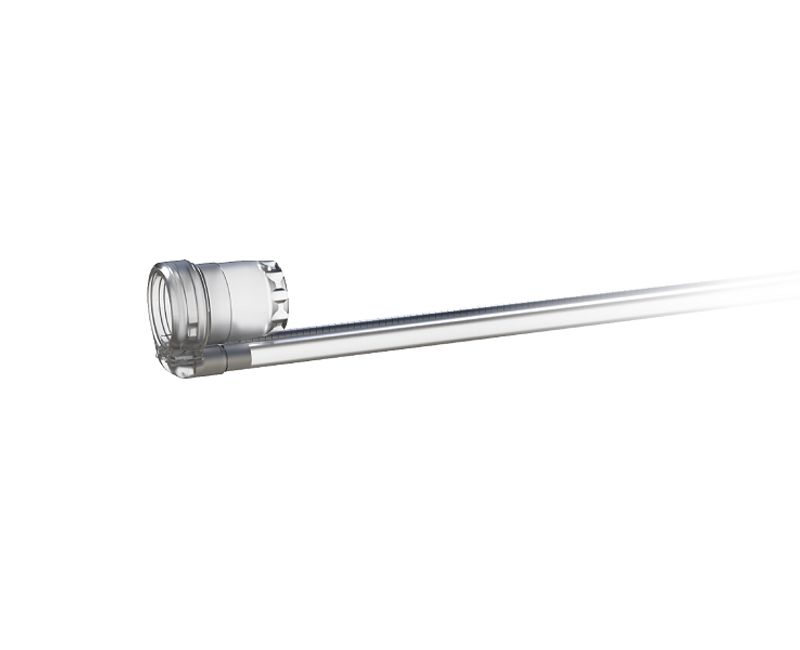
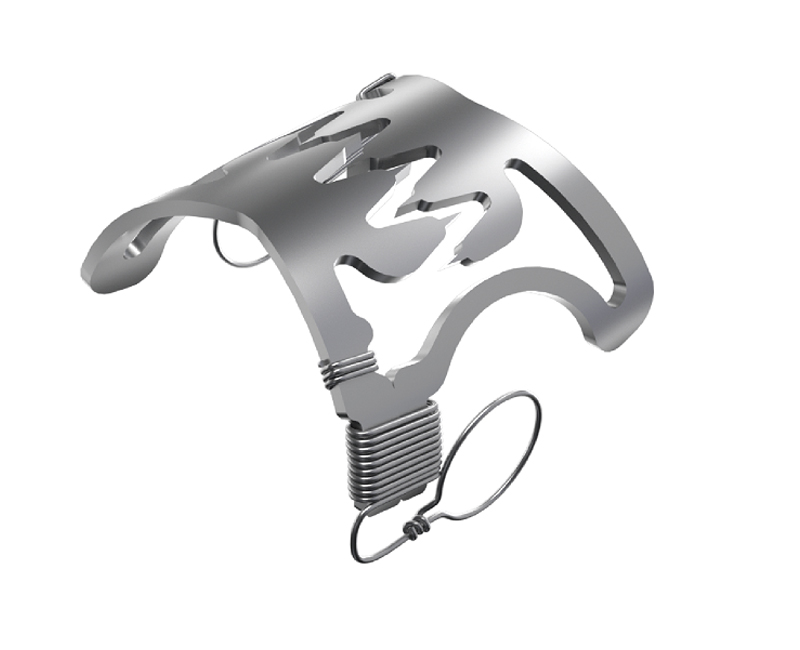
Bronchoscopic interventional disruption of the pulmonary vagal nerve reduces acetylcholine release and decreases bronchial smooth muscle tone, thereby mitigating the heightened airway reactivity characteristic of severe asthma. This approach alleviates clinical symptoms and reduces the frequency of acute exacerbations in asthma patients. The novel cryoablation system utilized in this study—comprising a liquid nitrogen cryo-balloon catheter and cryoablation equipment—was developed and manufactured by SensCure, distinguishing it from existing radiofrequency ablation systems available internationally.
In this study, animals undergoing cryoablation were followed for up to one year. Observations revealed a significant post-procedural reduction in airway resistance. Histopathological analysis confirmed necrosis and disruption of peribronchial nerves at the ablation site, with minimal damage to adjacent tissues and no device-related adverse events reported. These findings demonstrate that bronchoscopic cryoablation denervation is feasible, safe, and effective.
Compared with conventional radiofrequency ablation, cryoablation offers distinct advantages: shorter procedure duration (approximately 15 minutes), greater operational convenience, and a broader ablation range, enabling more effective disruption of pulmonary vagal nerves. Furthermore, cryoablation minimizes damage to the airway and cartilage, results in fewer postoperative complications, and facilitates faster recovery.

 |
| 
 +86-574-63729798
 overseas@senscure.net
 Block B, Building 3, No.777 Binhai 4th Road, Hangzhou Bay New District, Ningbo 315336, Zhejiang Province, China