
Source: SensCure
Date: Mar. 9, 2023
Views: 3,788
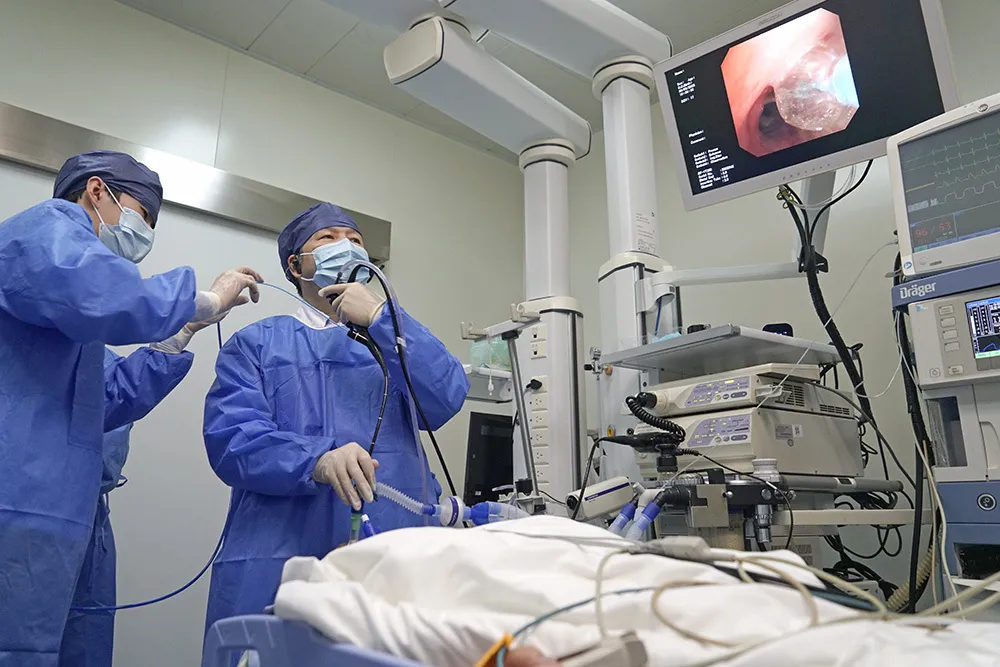
On March 9, 2023, the airway cryotherapy system independently developed by SensCure Biotech (Ningbo) Co., Ltd. successfully completed the world's first patient enrollment in its pivotal clinical trial under the leadership of Professor Li Qiang's team at Shanghai East Hospital. A bronchoscopic cryoablation denervation (BCD) procedure was performed on a patient with severe asthma, and the surgery proceeded smoothly. This milestone marks the official launch of the national multicenter clinical study on BCD for severe asthma, bringing new hope to patients with severe asthma.
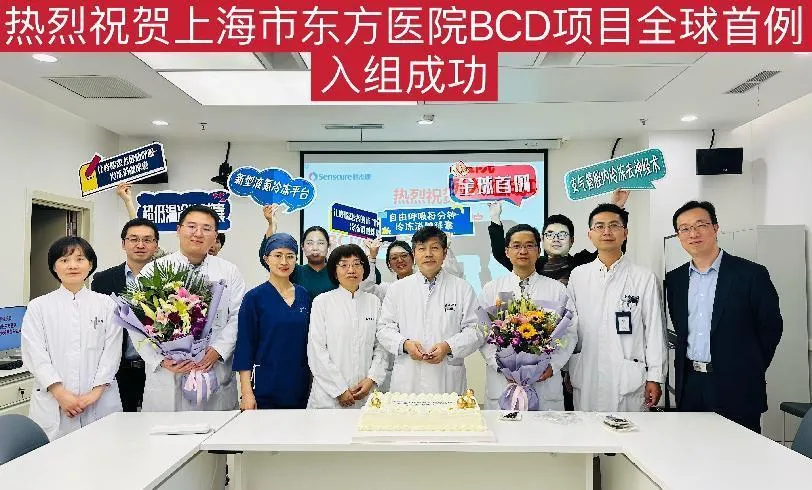
Photo of the medical team.
The 46-year-old Mr. Zhang began experiencing asthma attacks five years ago. Frequent acute exacerbations occurring five to six times annually caused him significant distress. Despite multiple treatment regimen adjustments over the years, the therapeutic outcomes remained suboptimal. It was not until this year, upon learning about Professor Li Qiang, Director of the Department of Respiratory and Critical Care Medicine at Shanghai East Hospital, that hope for treatment was rekindled, leading him to undergo this bronchoscopic cryoablation denervation procedure.
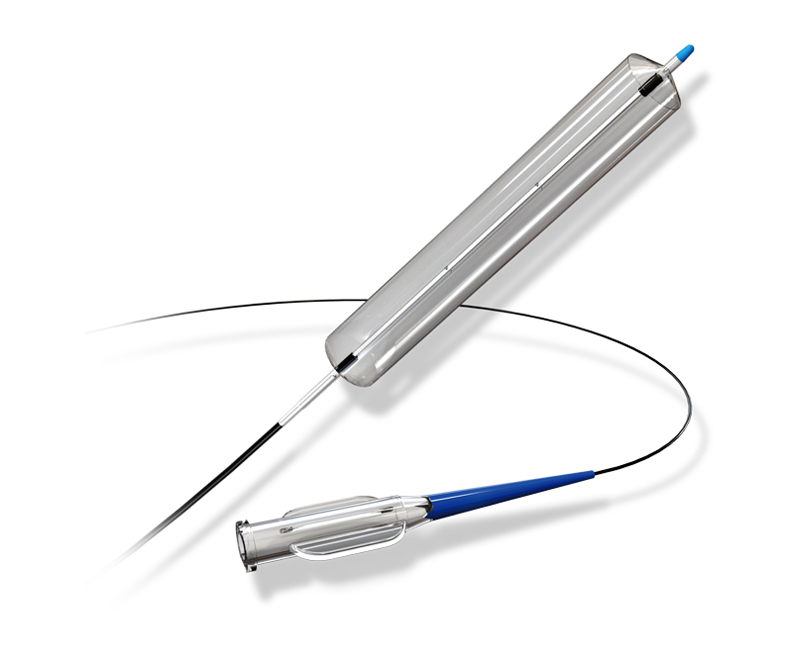
During the procedure, under general anesthesia, the physician introduced a cryo-balloon into the bronchus. Once inflated within the bronchial lumen, the balloon surface reached a temperature of -140°C. Upon contacting the intercartilaginous space between the 1st and 2nd tracheal rings beneath the carina—where vagal nerve fibers are densely concentrated—a transient layer of ice crystals instantly formed on the local bronchial mucosa. Moments later, the ice crystals rapidly melted, completing the ablation. The entire surgery lasted only 20 minutes.
Asthma is a clinically common chronic inflammatory disease of the airways and a prevalent condition that poses a serious threat to human health. Clinically, it is primarily characterized by recurrent wheezing and shortness of breath, accompanied by airway hyperresponsiveness and widely variable, reversible airflow limitation. The prevalence of asthma among individuals aged 20 years and above in China is 4.2%. Although the level of asthma prevention and management in China has improved significantly in recent years, 10–15% of patients still fail to achieve adequate symptom control despite receiving standardized pharmacotherapy. These patients experience markedly increased frequencies of hospitalization and emergency department visits, incur substantial medical costs, suffer severely compromised quality of life, and impose a heavy socioeconomic burden.
Elevated vagal tone is a key mechanism underlying airflow limitation and mucus hypersecretion in chronic airway diseases such as asthma. Cryoablation utilizes ultra-low temperatures to ablate local tissues; when the temperature rapidly drops to −40°C or below, it directly induces cellular injury. Compared with radiofrequency ablation, cryoablation is less likely to cause postoperative scarring, has a reduced impact on adjacent normal mucosa and cartilage, and effectively suppresses granulation tissue formation. Therefore, performing denervation via a cryo-balloon within regions of the bronchus rich in vagal nerve fibers may offer enhanced safety and efficacy.
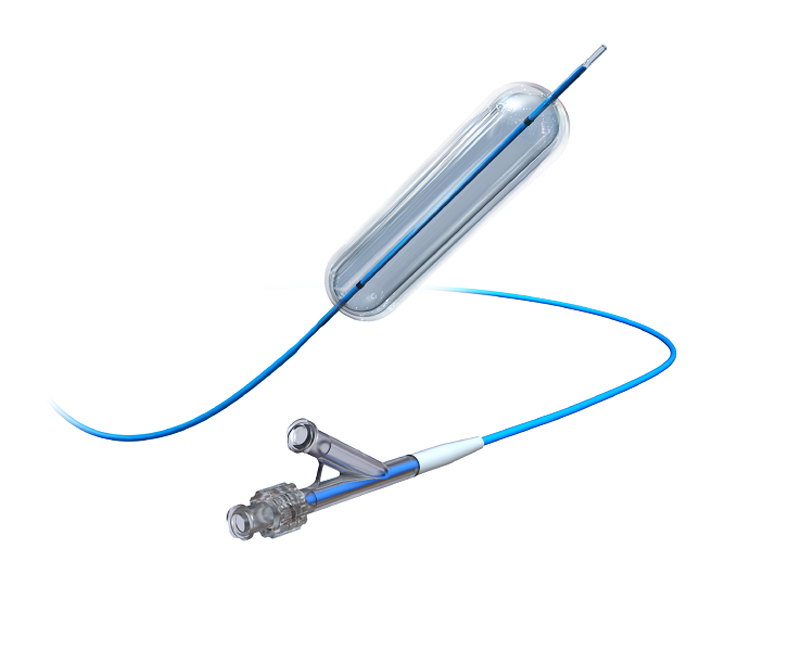
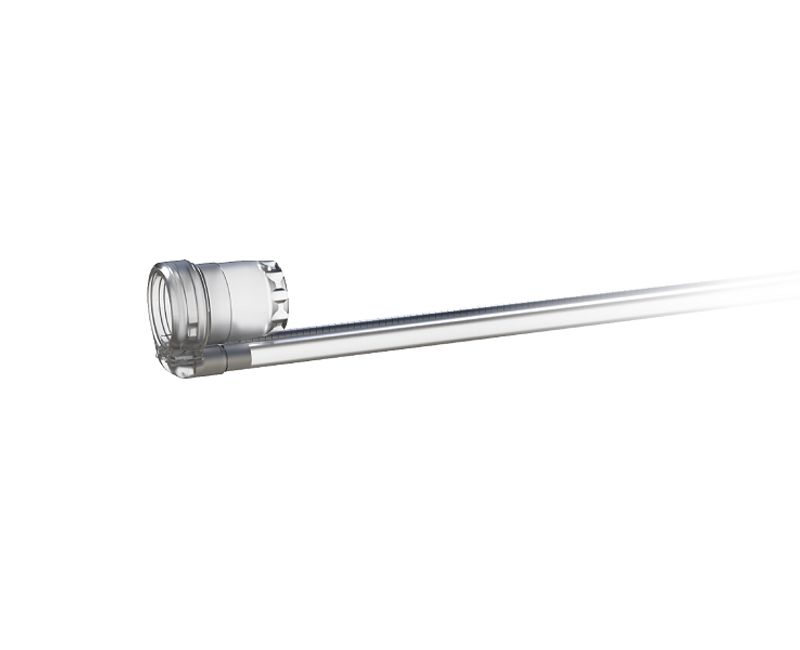
The airway cryotherapy system developed by SensCure Biotech (Ningbo) Co., Ltd. employs liquid nitrogen as the refrigerant, providing broad yet precise and controllable ablation. Under bronchoscopic guidance, the cryo-balloon is accurately positioned at the target site within the airway via the instrument channel to achieve nerve ablation. The team at Shanghai East Hospital has completed BCD treatment in 15 patients with severe asthma along with one-year follow-up, demonstrating favorable preliminary clinical outcomes. Postoperatively, these 15 patients exhibited improvements to varying degrees in clinical symptoms, exercise tolerance, pulmonary function, and quality of life. The frequency of acute exacerbations and medication use was markedly reduced in most patients, with no occurrence of significant device-related serious adverse events.

 |
| 
 +86-574-63729798
 overseas@senscure.net
 Block B, Building 3, No.777 Binhai 4th Road, Hangzhou Bay New District, Ningbo 315336, Zhejiang Province, China