
Source: SensCure
Date: Mar. 30, 2023
Views: 5,565
On March 29, 2023, the spray cryoablation system for chronic obstructive pulmonary disease (COPD), independently developed by SensCure Biotech (Ningbo) Co., Ltd., successfully completed the national first patient enrollment in its pivotal clinical trial under the leadership of Professor Wang Changhui’s team at Shanghai Tenth People’s Hospital. A bronchoscopic spray cryoablation procedure was performed on a COPD patient, and the surgery proceeded smoothly.

The symptoms had been troubling Mr. Chen. After learning about the innovative cryotherapy technology, he consented to undergo the bronchoscopic spray cryoablation procedure. The spray cryoablation procedure enrolled its first clinical trial subject, Mr. Chen, a 65-year-old man who was initially diagnosed with chronic obstructive pulmonary disease (COPD) in early 2013. Symptoms such as coughing and sputum production had persisted for years, worsening notably during seasonal transitions or significant temperature fluctuations. Prior to this, he had tried various treatment regimens, yet symptoms including cough, sputum, and shortness of breath persisted. During the procedure, a catheter is introduced via bronchoscopy to the target lesion site. The spray tip directly administers the ultra-low temperature cryogen—liquid nitrogen (−196°C)—onto the target tissue for cryoablation. The entire surgical procedure lasts approximately 30 minutes.

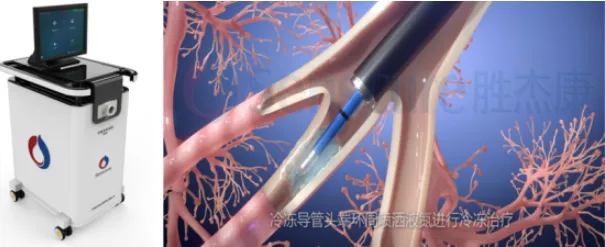
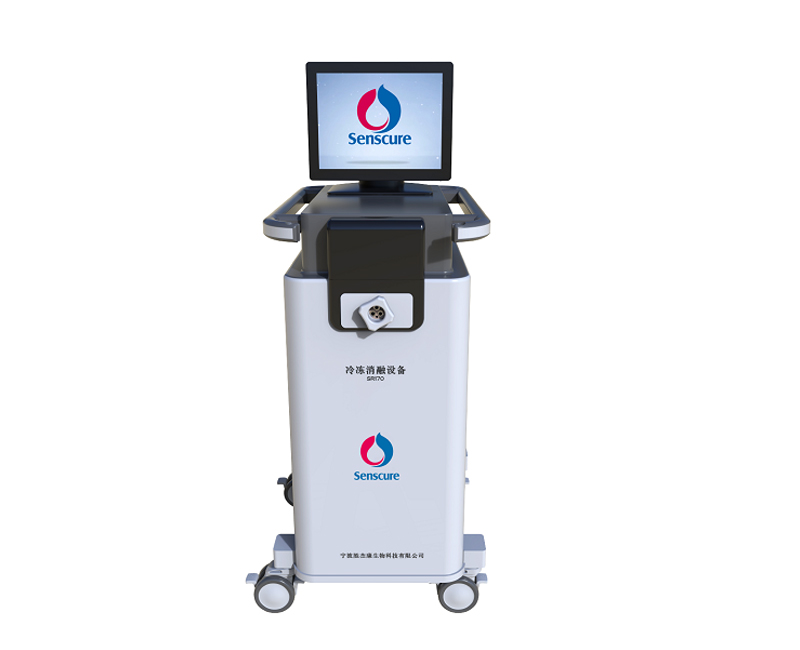
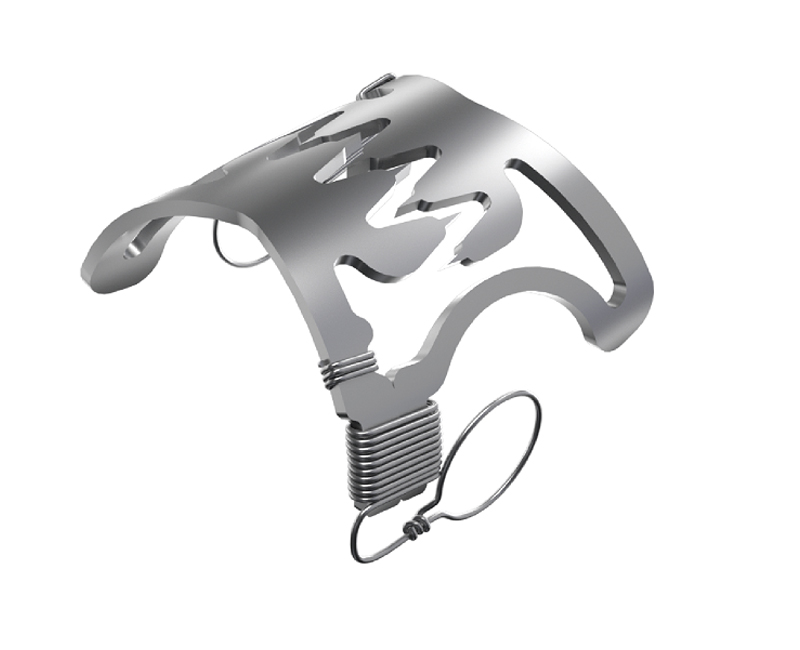
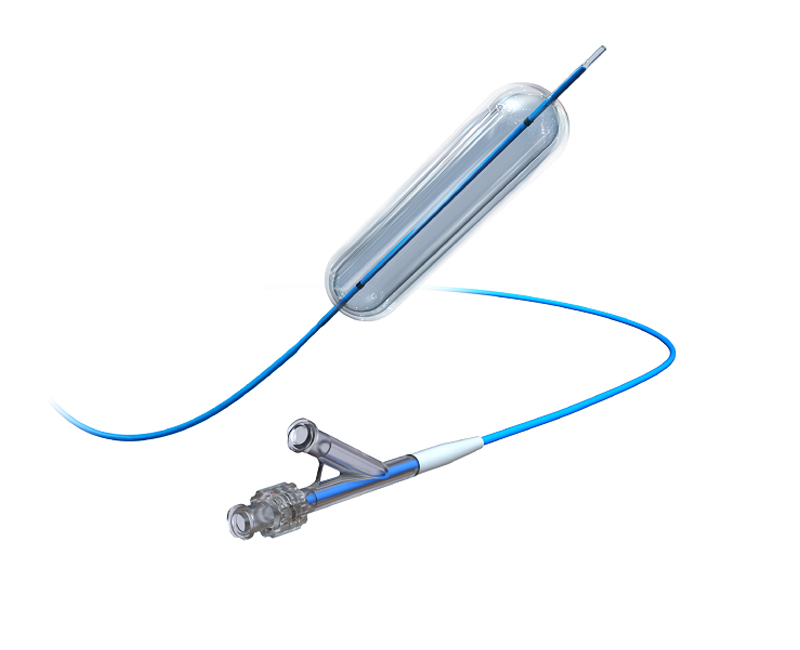
The spray cryoablation system independently developed by SensCure Biotech (Ningbo) Co., Ltd. consists of a spray cryoablation catheter and cryotherapy equipment. The cryoablation system features rapid cooling rates and precise temperature control. The spray tip can deliver liquid nitrogen at -196°C within an extremely short period, directly ablating target tissues with significant cryoablation efficacy. The team at Shanghai Tenth People's Hospital has completed treatment for 10 patients with chronic obstructive pulmonary disease (COPD) and conducted one-year follow-up, demonstrating favorable clinical outcomes. Patients showed improvements in quality of life, clinical symptoms, and exercise tolerance to varying degrees, with no device-related serious adverse events reported.

 |
| 
 +86-574-63729798
 overseas@senscure.net
 Block B, Building 3, No.777 Binhai 4th Road, Hangzhou Bay New District, Ningbo 315336, Zhejiang Province, China