
Source: SensCure
Date: Apr. 20, 2023
Views: 11,275
Recently, Professor Wang Chunyang’s team from the Second Ward of Urology at the First Affiliated Hospital of Harbin Medical University (HYD1) successfully performed a Da Vinci robotic-assisted, single-port laparoscopic right nephrectomy, offering a new therapeutic option for a petite patient with a non-functioning right kidney.
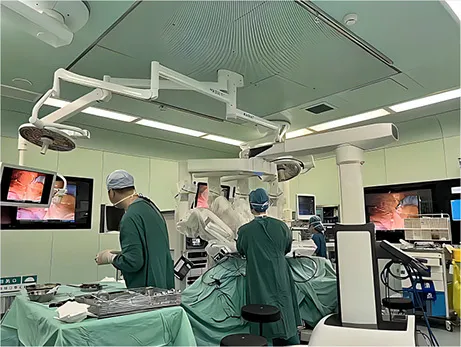
Da Vinci Robot High-Magnification Visual Sceen
The 65-year-old female patient (surname Chen) had undergone an open total hysterectomy at a local hospital 12 years prior. Postoperatively, she experienced transient involuntary urinary leakage, which subsided without intervention within two weeks. However, over the following two years, she developed progressive right flank pain. A visit to a local clinic revealed right hydronephrosis on 3D CT urography. Despite recommendations for surgery, the patient opted for conservative monitoring due to apprehension. As her hydronephrosis worsened and pain became unbearable, she presented to HYD1. Diuretic renography (ECT) confirmed the right kidney was non-functional.
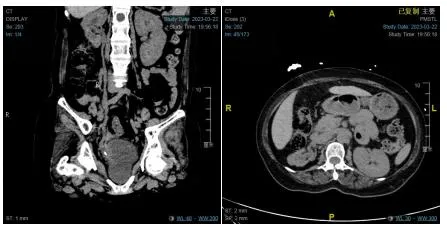
Urinary system 3D CT image
Upon admission, comprehensive evaluation by Professor Wang’s team confirmed right renal atrophy and a distal right ureteral stone causing obstruction. After thorough discussion with the family, the team proceeded with a retroperitoneal robotic-assisted single-port laparoscopic right nephrectomy.
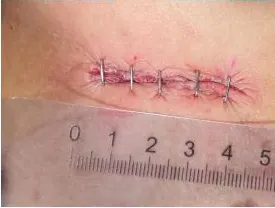
4 cm single incision
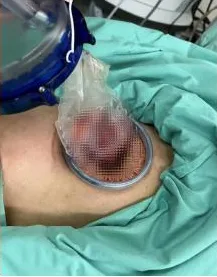
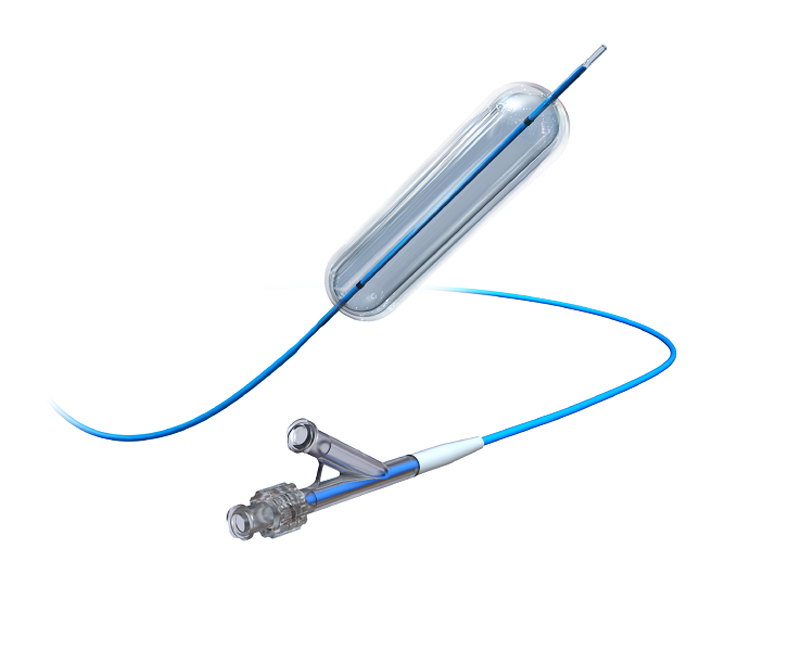
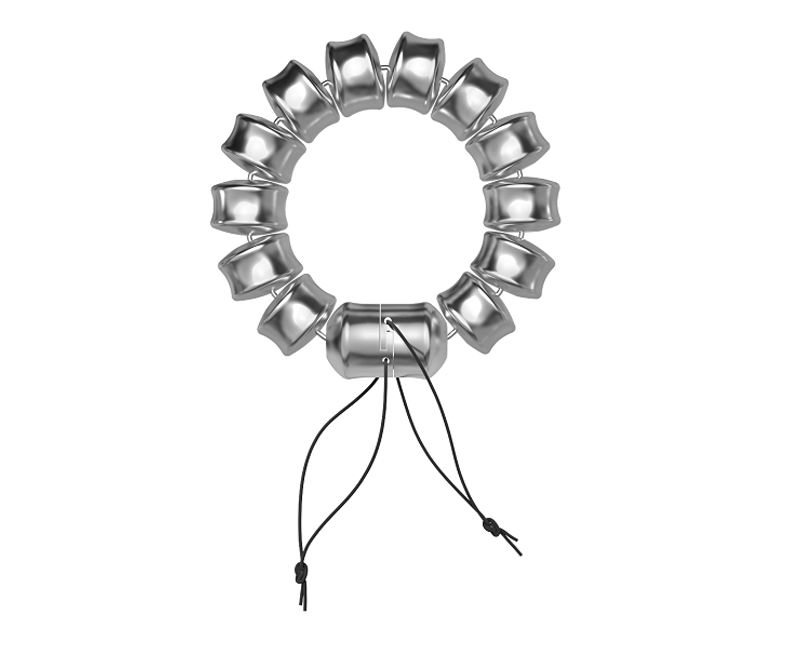
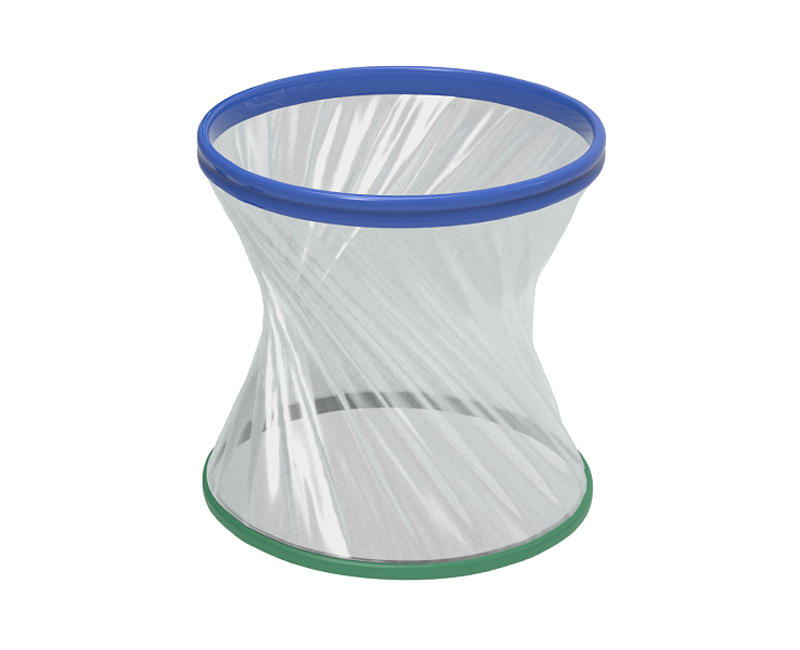
Single-Incision Retrieval of a Non-Functioning Kidney Using the SensCure Multi-channel Laparoscopic Access System
Professor Wang Chunyang explained that robot-assisted single-port laparoscopic nephrectomy via a retroperitoneal approach, combined with a multi-channel laparoscopic surgical access system, offers unique advantages. These include: fewer surgical incisions, which reduce the risk of intraoperative bleeding and peritoneal perforation whilst shortening the duration of the procedure; smaller surgical wounds, which minimise patient pain and recovery time, enabling patients to return to their normal lives and work more quickly; and improved surgical visibility and manoeuvrability, which enhance the precision of the procedure. However, as single-port laparoscopic surgery involves a single incision, the procedure requires the simultaneous manipulation of multiple instruments; tissues and structures surrounding the incision may also interfere with surgical manoeuvres. Consequently, this technique is technically demanding and places high demands on the surgeon’s skills; a comprehensive assessment of patient safety and therapeutic efficacy is therefore necessary when selecting this surgical approach.
About Professor Wang Chunyang
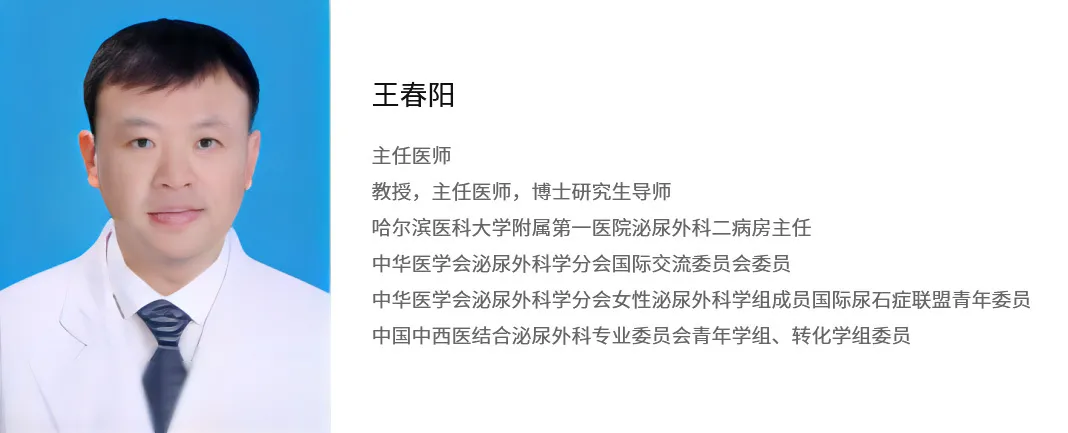
Professor Wang Chunyang is dedicated to the basic and clinical research of urologic oncology, renal transplantation, urolithiasis, prostate diseases, urinary tract reconstruction, and female pelvic floor disorders. He specializes in the application of minimally invasive techniques—including robotic, laparoscopic, percutaneous nephrolithotomy (PCNL), flexible ureteroscopy, cystourethroscopy, laser therapy, and plasmakinetic resection—within urological practice.

 |
| 
 +86-574-63729798
 overseas@senscure.net
 Block B, Building 3, No.777 Binhai 4th Road, Hangzhou Bay New District, Ningbo 315336, Zhejiang Province, China