
Source: SensCure
Date: Apr. 17, 2024
Views: 9,722
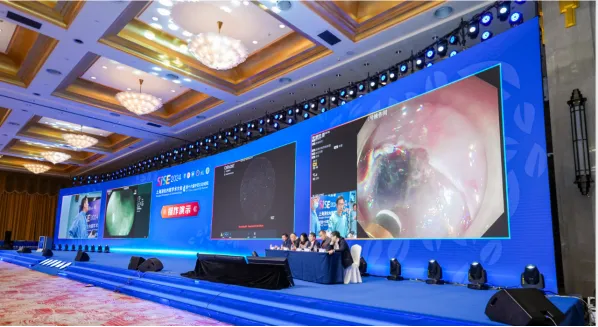
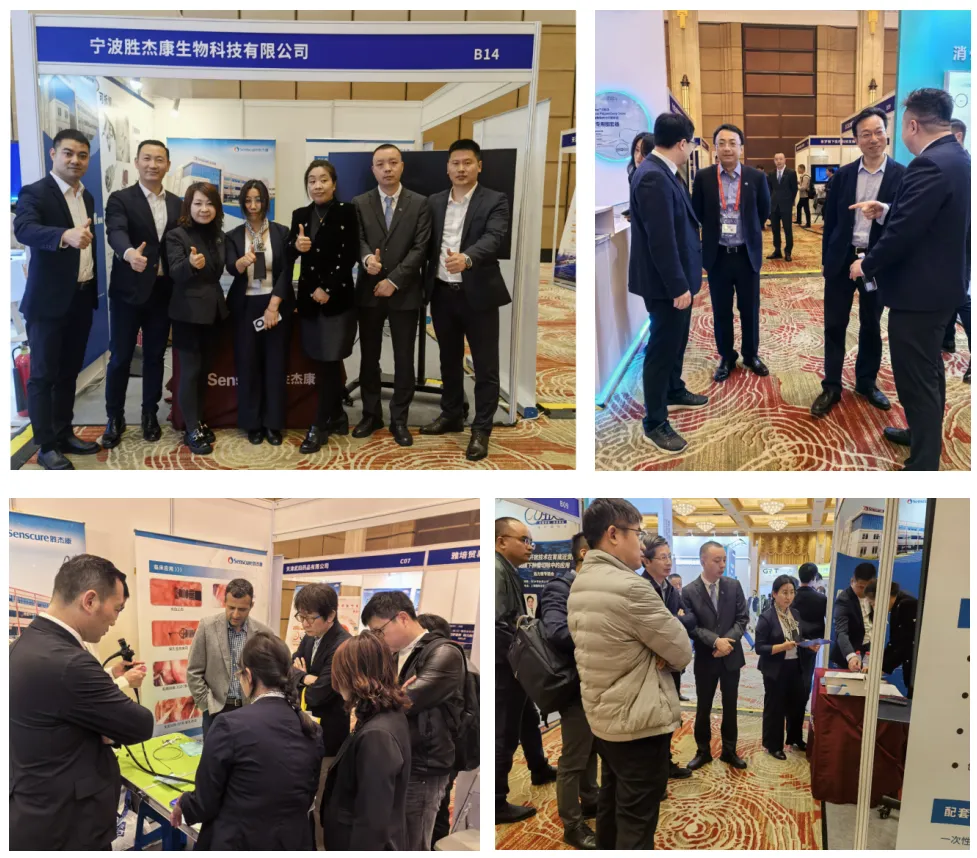
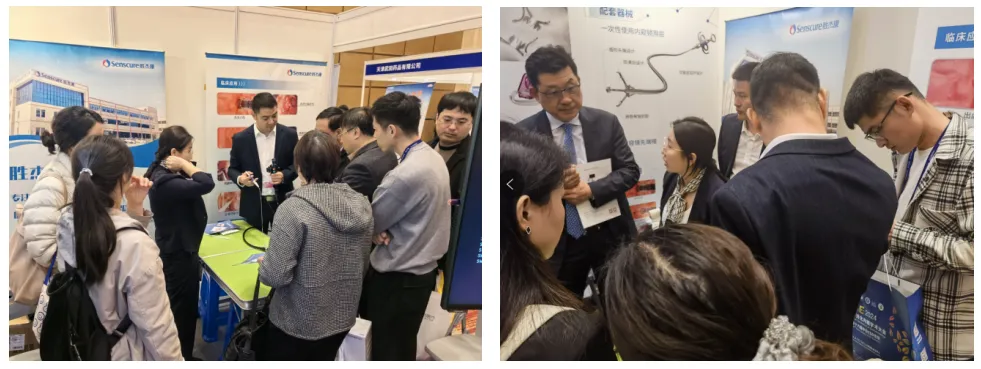
To comprehensively showcase the latest diagnostic and therapeutic technologies in digestive endoscopy, standardize clinical practices, and advance China’s minimally invasive resection capabilities, the Shanghai International Digestive Endoscopy Symposium & 16th China-Japan ESD Summit Forum was successfully held at the Shanghai International Convention Center from April 13–14, 2024. The two-day event drew 382 distinguished guests—including four academicians—and featured 33 keynote speeches (eight delivered by international experts) alongside 52 live surgical demonstrations. With 1,405 registered delegates, total on-site attendance reached 3,681, while online viewership surpassed 181,496, marking a resounding conclusion to the congress.
The symposium was co-organized by leading institutions including the Fudan University Institute of Endoscopy, the Shanghai Engineering Research Center of Digestive Endoscopy, the Shanghai Collaborative Innovation Center for Endoscopic Minimally Invasive Technology, the Chinese Medical Doctor Association Endoscopy Training Base, the Belt and Road Digestive Endoscopy Direct-Train International Training Center, and the American Society for Gastrointestinal Endoscopy (ASGE) International Training Center. The gathering convened top medical experts worldwide to exchange insights and explore cutting-edge technologies, further propelling the evolution of digestive endoscopy.
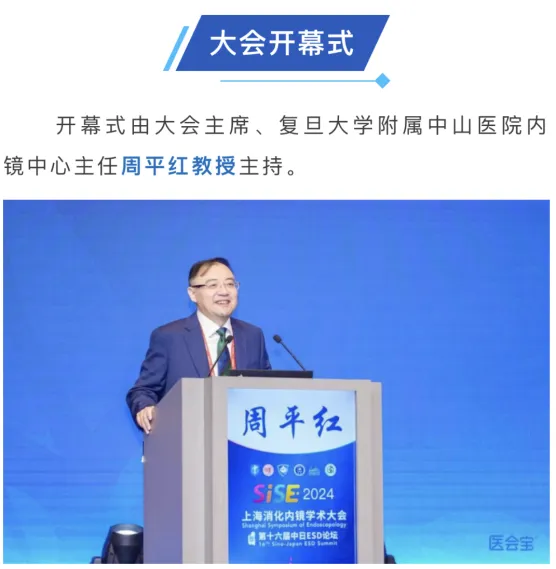

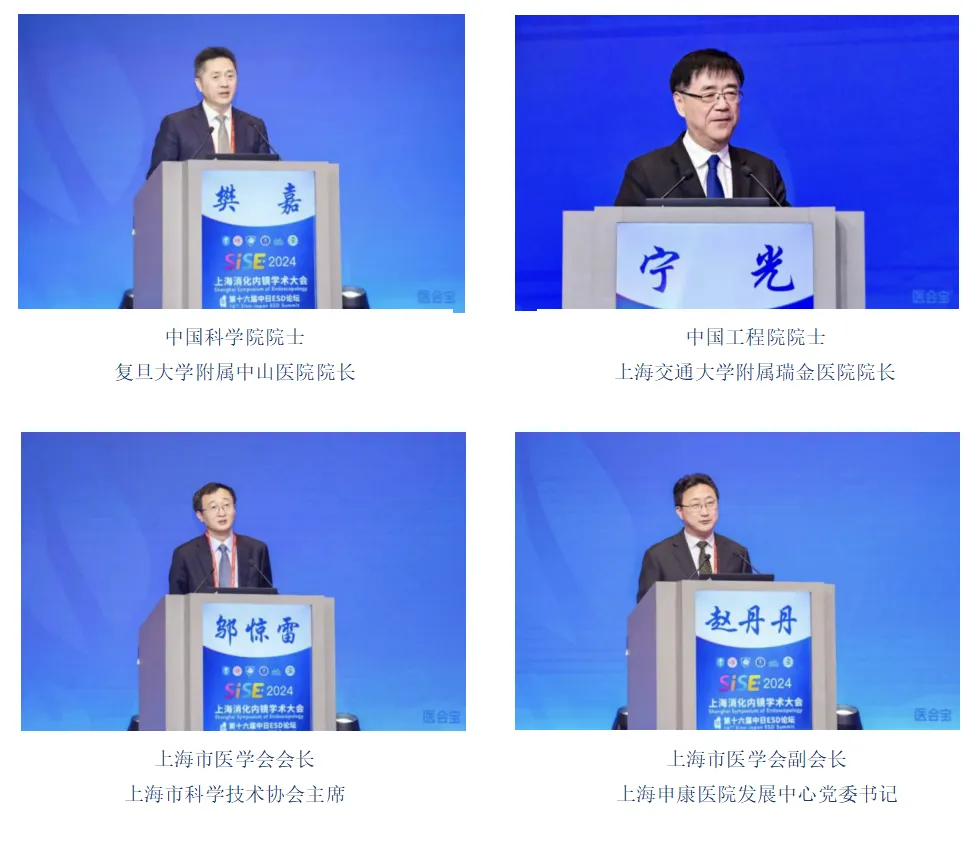
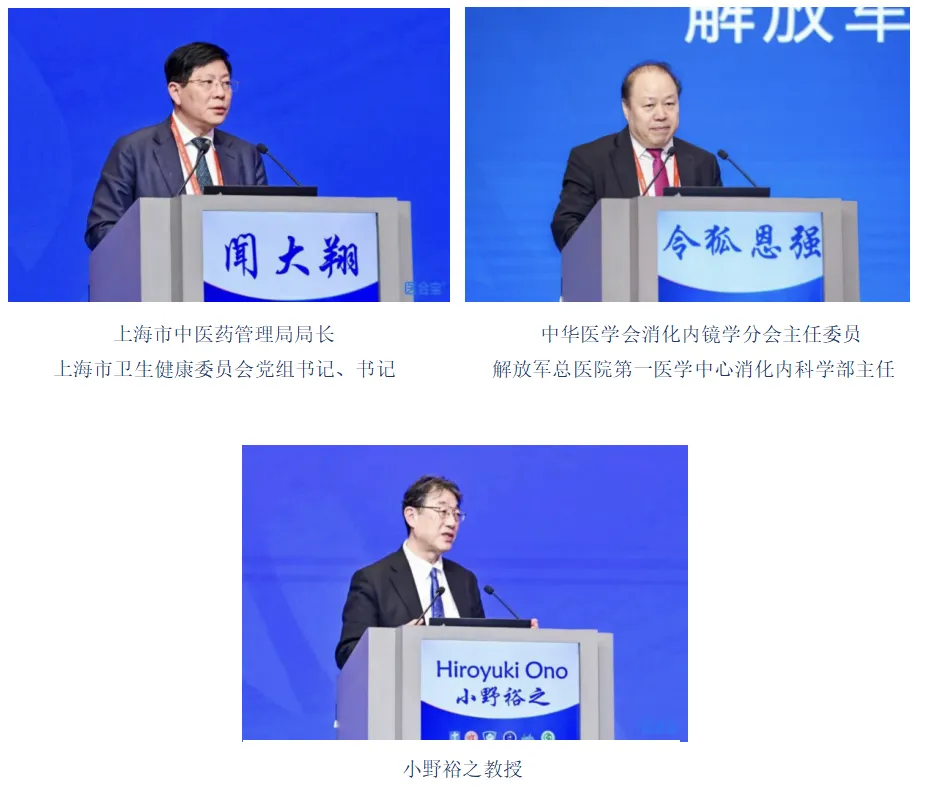

Chaired by Prof. Qin Xinyu and Prof. Yao Liqing (Zhongshan Hospital, Fudan University), Prof. Xia Yuting (General Hospital of Northern Theater Command), Prof. Bai Wenyuan (The Second Hospital of Hebei Medical University), and Prof. Xu Guoqiang (The First Affiliated Hospital, Zhejiang University School of Medicine), the forum featured landmark addresses from three prominent Chinese academicians and a leading Japanese expert.
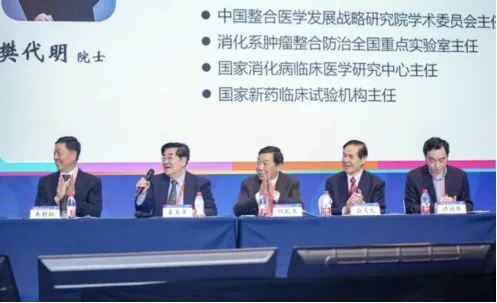
The Global Journey of Chinese Guidelines: CACA vs. NCCN
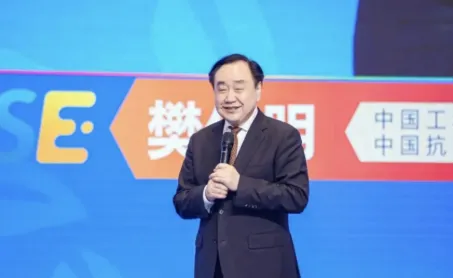
Academician Fan Daiming articulated the interplay between Shu (technique) and Dao (principle)—where technique provides momentum and principle defines direction. While Prof. Zhou Pinghong has driven technical breakthroughs in digestive endoscopy, clinical guidelines chart the principled course for treatment. Tailored to China’s epidemiological profile, genetic background, and indigenous research, the CACA Guidelines now stand alongside the U.S. NCCN and European ESMO guidelines as the “three pillars” of global oncology standards, widely acclaimed in international lectures.
New Frontiers in Precision Oncology
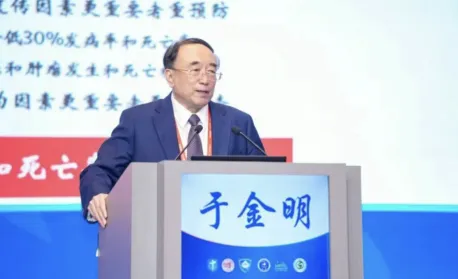
Academician Yu Jinming outlined China’s cancer burden—highlighting the top ten malignancies by incidence and mortality—and emphasized the pressing need for improved outcomes. Reviewing landmark milestones in cancer therapy, he advocated for combination treatment strategies and a holistic evaluation framework encompassing survival duration, local control, and quality of life. His vision for oncology care centers on standardization, homogeneity, precision, and innovation.
Humanism, Philosophy, and Art in Scientific Innovation
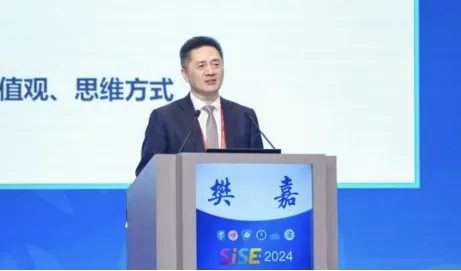
Academician Fan Jia asserted that “innovation arises from the era, and the era grows stronger through innovation.” Tracing China’s scientific trajectory from ancient brilliance to modern resurgence, he addressed current strengths and gaps. He further detailed Zhongshan Hospital’s strategic roadmap for innovation—spanning goal orientation, humanistic ethos, systemic mechanisms, operational models, cultural depth, and talent cultivation.
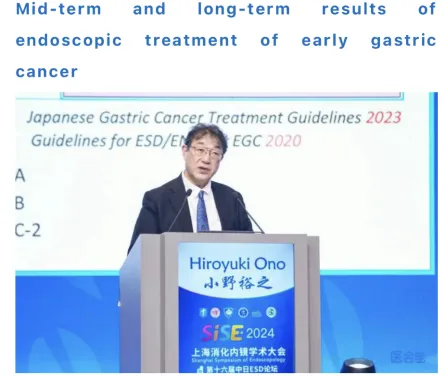
Prof. Hiroyuki Ono presented findings from the prospective, multicenter J-WEB/EGC study, which utilized a web-based registry across 41 institutions to enroll consecutive patients undergoing endoscopic resection (ER) for early gastric cancer (EGC) or suspected EGC. Stratifying outcomes by absolute and expanded indications, the study reported a 5-year overall survival rate of 88.3%, compared to 81.7% for surgical resection. Notably, elderly female patients with Stage I gastric cancer exhibited lower one-year mortality rates than their male counterparts.

The conference spotlighted 35 interventional experts who performed live demonstrations of pioneering techniques, including chromoendoscopy, probe-based confocal laser endomicroscopy (pCLE), narrow-band imaging (NBI), blue laser imaging (BLI), endoscopic mucosal resection (EMR), endoscopic submucosal dissection (ESD), endoscopic submucosal excavation (ESE), endoscopic full-thickness resection (EFTR), peroral endoscopic myotomy (POEM), peroral endoscopic pouch (POP), submucosal tunneling endoscopic resection (STER), and submucosal tunneling endoscopic septotomy (STESD). These procedures underscored transformative advances in endoscopic diagnosis and therapy. Over 20 renowned professors delivered keynote speeches spanning diverse frontiers: innovations in endoscopic ultrasound (EUS) and ERCP, landmark publications in NEJM, pancreatobiliary maljunction, early colorectal cancer detection, endoscopic suturing, colorectal ESD, gut microbiota and colorectal carcinogenesis, med-tech convergence, closure techniques, early diagnosis and treatment of esophagogastric junction adenocarcinoma, EUS quality control, and management of achalasia. These novel perspectives charted a clear trajectory for future research and collaboration in digestive endoscopy.The resounding success of this symposium is poised to catalyze continuous innovation, foster cross-disciplinary partnerships, and elevate clinical excellence in digestive healthcare.



 |
| 
 +86-574-63729798
 overseas@senscure.net
 Block B, Building 3, No.777 Binhai 4th Road, Hangzhou Bay New District, Ningbo 315336, Zhejiang Province, China